



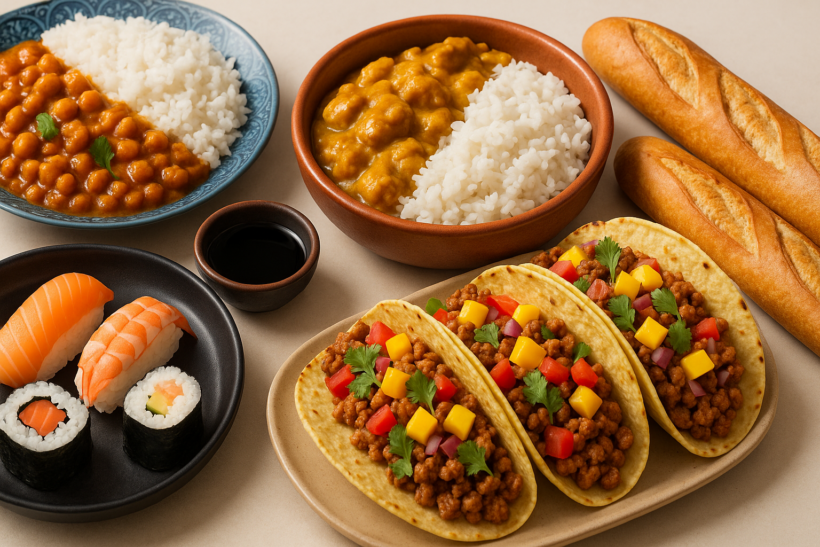
Food is a universal language that brings people together, transcending borders and generations. Traditional foods, rooted deeply in culture and history, are not just about sustenance; they tell stories and reflect the identity of the people who make and consume them. This article delves into the profound cultural significance of traditional foods across different countries, how they affect human behavior, and the styles they inspire across the globe.
- Why Traditional Foods Matter
- Cultural Insights Through Dishes
- How Traditional Foods Shape Human Interaction
- Examples from Around the World
- Modern Influences and Preservation
- FAQs on Traditional Foods
Why Traditional Foods Matter
As society becomes increasingly globalized, traditional foods stand as the bastions of cultural identity. They connect us with our heritage and provide a sense of belonging. According to the UNESCO, culinary traditions are a part of intangible cultural heritage, highlighting their importance beyond mere nutrition.
Moreover, traditional foods often rely on localized ingredients and preparation methods honed over generations, providing insights into the agricultural practices and ecological knowledge of different regions. For instance, the use of corn by Native American tribes or rice in Asian regions illustrates not only dietary staples but also agricultural ingenuity.
Cultural Insights Through Dishes
Cuisines encapsulate stories of trade, migration, and adaptation. For example, the use of spices in Indian cuisine hints at historical spice trade routes, while the prevalence of pasta in Italian cuisine is a nod to its evolution over centuries and globalization’s influence.
Symbolic Ingredients
Many traditional foods feature symbolic ingredients that reflect cultural beliefs or historical events. For example, olives and figs in Mediterranean regions not only serve nutritional purposes but also hold historical significance dating back to ancient empires.
Festive Foods
Certain dishes are tied specifically to festivals and celebrations, marking significant cultural milestones. Traditional Christmas pudding in Britain or mooncakes during the Mid-Autumn Festival in China serve as examples of how food reinforces cultural values and traditions.
How Traditional Foods Shape Human Interaction
Traditional foods play a pivotal role in shaping human behavior and interaction. Shared meals foster community bonds, enhance social cohesion, and pass down traditions from one generation to another, making them indispensable to cultural continuity.
The act of sharing a meal is a common way to express hospitality and friendship. Families and communities often come together to prepare and enjoy traditional meals, strengthening ties and reinforcing social norms.
Examples of Communal Dining
The concept of ‘breaking bread’ is universally acknowledged in many cultures. From the elaborate feasts of the Middle East to the communal dining experiences in Chinese culture, eating together creates shared experiences and memories.
Culinary Traditions and Behavior
Behavioral aspects, such as how food is consumed (e.g., with hands, chopsticks, or cutlery), provide important cues about cultural etiquette and social structures. For instance, the Indian practice of eating with hands is deeply rooted in cultural and philosophical beliefs about the connection between touch and taste.
Examples from Around the World
Traditional foods vary immensely, shaped by geography, climate, and history. Let’s explore a few standout examples that illustrate cultural diversity:
The Tacos of Mexico
Tacos are emblematic of Mexico’s rich culinary landscape, often incorporating regional ingredients like chiles, avocados, and corn. They show the blend of Indigenous and Spanish influences, representing the country’s historical transformations.
The Sushi of Japan
Sushi, a quintessential Japanese dish, is renowned for its simplicity and precision. This dish reflects Japan’s profound respect for nature’s bounty and the meticulous nature of its culinary traditions.
The Curry of India
With an array of spices and ingredients, Indian curry represents the diversity of Indian cuisine. From Rajasthan’s spicy fare to Bengal’s sweet and tangy preparations, curries exemplify regional flavors and culinary techniques.
French Baguettes
France’s iconic baguette reflects its culinary mastery and cultural significance. This beloved bread is central to French dining, highlighting the importance of simplicity and quality ingredients.
| Country | Signature Dish | Key Ingredients |
|---|---|---|
| Japan | Sushi | Rice, Fish, Seaweed |
| Mexico | Tacos | Corn, Chiles, Avocado |
| India | Curry | Spices, Vegetables, Rice |
| France | Baguette | Flour, Water, Yeast |
Modern Influences and Preservation
In today’s fast-paced world, traditional foods face challenges from globalization and modernization. As people adopt faster lifestyles, these culinary practices require innovation to remain relevant. Nevertheless, many chefs and food historians strive to preserve and adapt these traditions to contemporary tastes.
Integrating Traditions into Modern Cooking
Restaurants and culinary institutions increasingly embrace and innovate traditional dishes by incorporating global techniques and ingredients. This fusion nurtures a respect for culinary heritage while appealing to modern palates.
Preservation Efforts
Initiatives like the Slow Food Movement encourage sustainable food practices and the preservation of endangered traditional foods. By prioritizing local and seasonal ingredients, these efforts help maintain biodiversity and cultural integrity.
FAQs on Traditional Foods
Why is cultural significance important in traditional foods?
Traditional foods convey historical narratives and regional identities, offering a sense of belonging and continuity. They reflect how communities adapt to their environments and create shared cultural practices.
How can traditional foods be preserved in modern society?
Preservation can be achieved through educational programs, cultural festivals, and culinary schools focusing on traditional practices. Modern adaptations, such as incorporating traditional ingredients into contemporary recipes, also help preserve these culinary traditions.
What role do traditional foods play in health and nutrition?
Often rooted in seasonal and local sourcing, traditional foods can provide balanced nutrition that aligns with sustainable agricultural practices. They emphasize whole, unprocessed foods, often making them healthier options.
What challenges do traditional foods face today?
Challenges include erosion of authenticity due to globalization, the dominance of fast food, and declining intergenerational transfer of culinary knowledge. Promoting cultural education and local ingredient sourcing can mitigate these challenges.
Conclusion
Reflecting cultural narratives and unique identities, traditional foods are much more than just meals. They embody the essence of communities, illustrating an intricate tapestry of history, tradition, and social interaction. Understanding and preserving traditional foods safeguard cultural heritage and promote global culinary diversity.
Author Note: This article has been crafted by culinary enthusiast and cultural historian, [Author Name], who believes in the power of food to transcend borders and unite societies. Join the journey of exploring more about different cultures through their foods by visiting related articles and stories from across cultures.