


The Rich History Behind National Celebrations and Their Cultural Significance
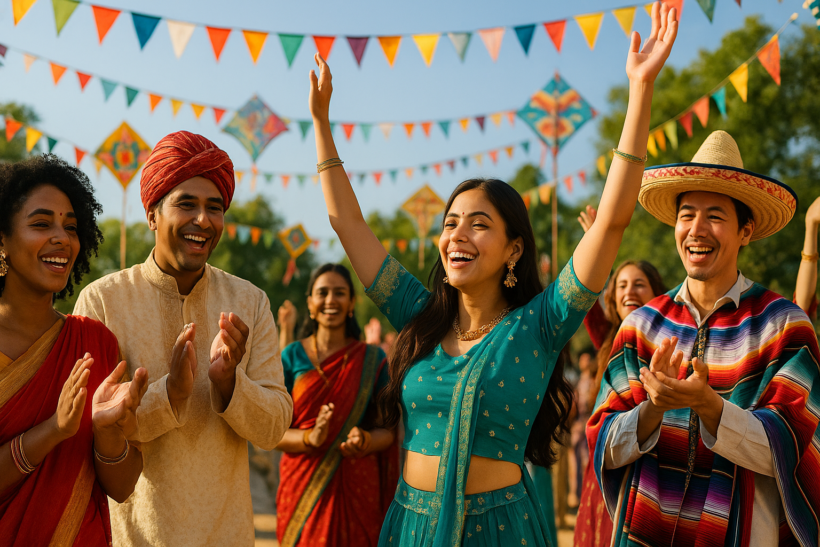
National celebrations hold a unique place in the heart of cultures worldwide. They bring communities together, preserve customs, and foster a sense of identity and pride. In this article, we’ll delve into the fascinating history behind some renowned national celebrations, explore their cultural significance, and uncover how family traditions evolve within these festivals to keep them vibrant and relevant.
Ever wondered how modern-day celebrations came about? Or how they differ worldwide? This guide offers insights into these intriguing questions.
- Origins of National Celebrations
- Cultural Significance of Festivals
- Family Traditions Within Celebrations
- Diverse Examples of Celebrations
- The Evolution of National Celebrations
- Conclusion
The Origins of National Celebrations
National celebrations often trace back to historical events, religious beliefs, or agricultural cycles. For instance, many countries celebrate their independence day with a nod to pivotal moments in history, marking freedom and self-determination.
Religious Ties
Religious events frequently form the backbone of many national festivals. For example, Christmas is celebrated globally, though its customs vary widely. In Mexico, for instance, the Posadas represent a traditional reenactment of Mary and Joseph’s search for a place to stay in Bethlehem.
Agricultural and Seasonal Festivals
Many national celebrations are rooted in agricultural cycles. Harvest Festivals, such as Thanksgiving in North America or Pongal in India, give thanks for bountiful harvests. Historically, these festivals were crucial for ensuring a successful agricultural season and were seen as a time to coordinate community efforts for future planting.
The Cultural Significance of Festivals
Festivals serve as both windows into a culture’s rich tapestry and a mirror reflecting its values. They provide a platform for expressing identity, passing down traditions, and integrating modern influences.
Building Identity and Community
Festivals are integral in shaping cultural identity. They promote unity, acting as touchstones that bind people to their heritage. Events such as the Lunar New Year align family ties, reinforcing the importance of tradition and familial bonds.
Preserving History
Through tangible practices and oral histories, festivals preserve unwritten aspects of culture. Carnival in Brazil, with its vibrant parades and samba music, reflects a confluence of African, Indigenous, and European influences, serving as a testament to Brazil’s diverse history.
Family Traditions Within Celebrations
The heart of many national celebrations lies in family gatherings. From ancient rituals to modern interpretations, these traditions adapt over time, maintaining relevance in contemporary society.
From Generation to Generation
Family traditions, whether it’s baking a specific type of bread for Easter or crafting handmade decorations for Hanukkah, serve as touchstones. These activities create lasting memories and connect younger generations to their ancestors.
Example Insight: In my family, Easter involves an elaborate egg-painting event, inspired by Ukrainian Pysanky, which my grandmother introduced from her homeland. This tradition not only keeps us connected to our roots but also allows creative expression across different age groups.
Diverse Examples of Global Celebrations
| Festival | Country | Cultural Significance |
|---|---|---|
| Diwali | India | Marks the triumph of light over darkness and good over evil. |
| Carnival | Brazil | Celebrates cultural diversity and community spirit through parades and music. |
| Oktoberfest | Germany | Originally a royal wedding celebration, now an annual festival of beer and Bavarian culture. |
The Evolution of National Celebrations
As societies evolve, so do their celebrations. Many festivals today integrate modern elements while staying true to their historical roots.
The Influence of Technology
Technology redefines how we experience and share celebrations. Virtual reality and live streaming allow international participation, thereby broadening the scope and accessibility of many festivals.
Adapting to Modern Contexts
Cultural adaptability ensures that traditions remain alive. For instance, environmental awareness has led to more sustainable festivities, such as eco-friendly parades and biodegradable decorations.
Author Note: Having spent years researching cultural traditions worldwide, I’ve witnessed firsthand how these celebrations influence and sustain community bonds. My studies have focused on understanding how globalization impacts local traditions, and it’s fascinating to see how cultures blend the old with the new.
Conclusion
National celebrations are more than mere festivities; they are a living homage to our histories and cultures. They bring people together, encourage us to remember our past, and adapt to accommodate our future. By understanding their origins, significance, and evolution, we appreciate the deep connections they foster within families and across generations. This continual embrace of tradition and innovation ensures that our collective stories remain alive and relevant.
FAQs
What are some lesser-known national celebrations with unique traditions?
One example is Iceland’s Thorri festival, which features traditional Viking food including fermented shark and pickled ram’s testicles. This festival commemorates the ancient Norse month of Thorri, celebrating heritage in the harsh winter months.
How do national celebrations impact local economies?
Festivals often boost local economies by attracting tourism, both domestic and international. For instance, Rio’s Carnival generates significant revenue for Brazil through tourism-related businesses.
Why do some national celebrations seem similar across different countries?
Many celebrations share common themes like harvest time, which appear universally due to shared human experiences. However, while the core theme might be similar, each culture adds its unique flare, resulting in varied expressions.
How can we ensure family traditions remain intact in a fast-paced world?
By dedicating time to share stories and legends associated with these traditions, using technology to bridge distances through virtual gatherings, and involving younger generations in planning and participation, we can preserve these cherished practices.
Are there any trends guiding the future of national celebrations?
Sustainable practices are increasingly influencing national festivals. This includes reducing waste, using renewable materials, and fostering awareness about protecting the environment, ensuring future generations can continue enjoying these traditions.