

Geography’s impact on human behavior stands as an intriguing testament to the vast differences across countries and cultures. Understanding this interplay can illuminate why certain practices or societal norms emerge, offering insights into how geographical landscapes foster unique cultural identities.
- How Geography Influences Culture
- Climatic Factors
- Topography and Ecosystem
- Resource Availability
- Geographical Barriers and Cultural Exchange
- FAQ
How Geography Influences Culture
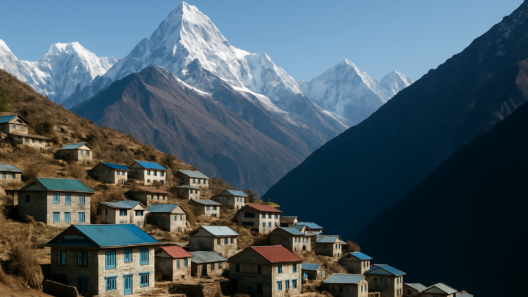
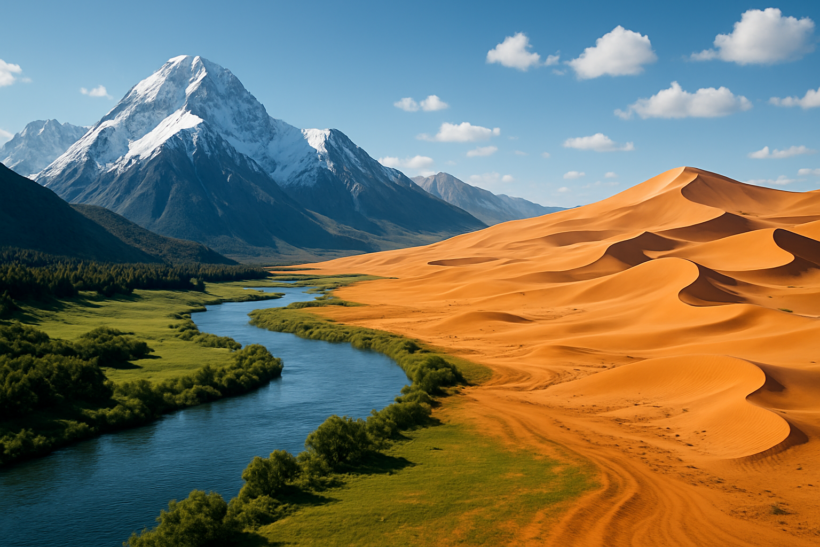
Geography not only dictates the physical environment in which societies develop, but profoundly shapes cultural norms and lifestyles. People often adapt to their surroundings, resulting in varied cultural practices across regions. One exemplar is how Himalayan inhabiting communities differ from those in expansive deserts.
– Author Note: As a cultural anthropologist with years of experience exploring diverse regions, I’ve found that understanding geography’s role in cultural formation unveils the richness of human diversity.
Climatic Factors
Climate significantly impacts human behavior. In colder climates, people adapt by developing communal living arrangements for warmth conservation, which fosters tight-knit communities.
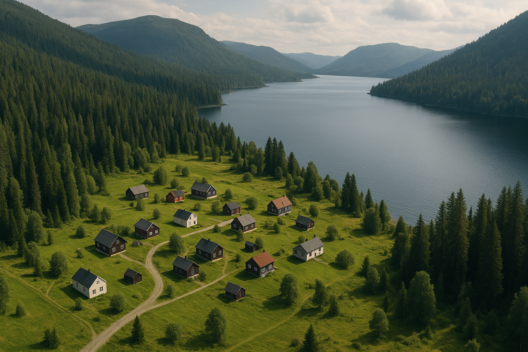
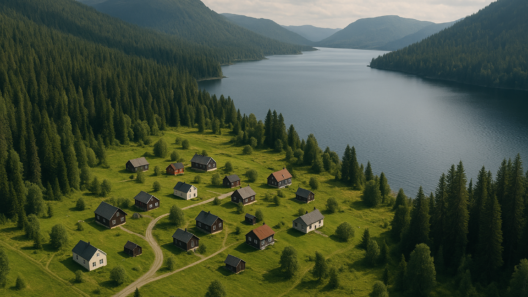
For instance: Scandinavian countries, known for their harsh winters, have evolved communal sauna traditions — a practice deeply embedded in cultural norms promoting social bonding and wellness.
Conversely, in tropical environments, architectures often emphasize ventilation, reflecting cultural values of openness and sensibility to environmental conditions.
Microclimates and Regional Adaptations
Microclimates lead to distinct adaptations even within a single country. The wine-making traditions in France vary largely due to these climatic niches, influencing both agricultural practices and local customs.
In Mediterranean climates, the tradition of siestas illustrates a cultural adaptation to the midday heat, optimizing human behavior to align with peak cooler periods.
Topography and Ecosystem
Topographical features such as mountains, rivers, and plains shape societal infrastructure and lifestyles. Mountainous regions often result in isolated communities with unique dialects and customs.
Example: The Swiss Alps have contributed to high literacy rates in Switzerland as a result of isolated villages investing heavily in local education as a community focus point.
Similarly, river cultures have historically facilitated trade and cultural exchange, influencing societal structure and economic behavior.
Urban Patterns and Environment
In metropolitan settings, skyscrapers and parks interact with cultural behaviors, promoting both technological advancement and ecological awareness. New York’s Central Park serves as an urban oasis fostering community health and leisure.
Resource Availability
Access to resources, such as water, minerals, and fertile soil, significantly affects sociocultural development. Countries rich in natural resources often build economies that capitalize on these assets, influencing work ethics and quality of life.
Table: Resource Impact on Cultural Development
| Resource Type | Impact on Culture |
|---|---|
| Water | Settlements near rivers, development of irrigation, social gatherings around water bodies |
| Minerals | Mining towns, artisanal craftsmanship, trade-oriented economies |
| Fertile Soil | Agricultural practices, community farming, seasonal festivals |
Regions with scarce resources often develop nomadic lifestyles or innovation-driven cultures, fostering adaptive traits and communal resilience.
Geographical Barriers and Cultural Exchange
Geographical barriers such as oceans, deserts, and mountains not only protect but also isolate communities, promoting unique cultural evolutions. At the same time, these barriers challenge communities to innovate communication and transportation methods, facilitating cultural exchanges.
Historically, the Silk Road exemplifies how geographical constraints prompted the development of extensive trade routes that led to significant cultural interactions between Europe and Asia.
Globalization and Modern Influence
In today’s interconnected world, technological advancements have diminished the impact of geographical barriers on cultural exchange. However, the cultural identity shaped by geography remains a foundational aspect of human behavior and societal norms.
FAQ
How does geography determine cultural practices?
Geography influences cultural practices by requiring adaptations to local environmental conditions. From housing structures to clothing and dietary habits, these practices are molded by climate, topography, and available resources.
What impact does climate have on societal norms?
Climate affects societal norms significantly, prompting adaptations like communal activities, work schedules, and celebration of festivals timed with seasonal changes. Observing how different cultures handle high temperatures versus cold climates offers a vivid illustration of such impacts.
Are geographical influences diminishing due to globalization?
While globalization is bridging some geographical divides by integrating cultures worldwide, local traditions and behaviors remain largely influenced by the geographical contexts in which they developed.
Which regions are most influenced by their geography?
Regions with extreme climates or unique geographical features such as islands, high-altitude areas, or deserts experience pronounced geographical influences on their cultural practices and human behaviors.
How do geographical barriers impact cultural identity?
Geographical barriers like mountains and oceans create distinct cultural identities by isolating communities, leading to the survival of unique languages, traditions, and lifestyles that might otherwise be homogenized in more accessible terrains.
Key Takeaway: Geography plays a pivotal role in shaping human behavior by dictating how societies adapt, grow, and interact with one another. Despite modern technological advances, the roots of cultural identity often remain deeply embedded in geographical contexts.
As we navigate a rapidly globalizing world, acknowledging and understanding the geographical underpinnings of human behavior and culture allows us to appreciate the rich diversity and resilience of societies across the globe. For further exploration of how environmental factors shape cultural identities, visit our section on global cultural dynamics or additional resources on climatic adaptation strategies.