
Exploring Education Systems Around the World: Insights and Comparisons
Education is a universal need, but the way it’s delivered can vary drastically from one country to another. This diversity in education systems shapes cultures, molds future generations, and reflects societal values. In this article, we’ll dive into different educational styles across the globe, understand their impacts, and see how they influence human behavior.
- Education in the USA
- The Finnish Success Model
- Asian Educational Approaches
- Education in Emerging Nations
- How Education Shapes Human Behavior
- FAQs
- Concluding Thoughts
Education in the USA
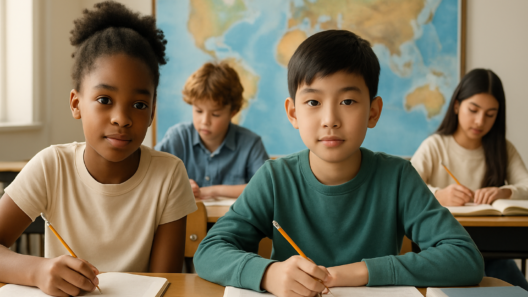
The United States offers a diverse educational landscape with a strong emphasis on creativity and individuality. Elementary to high school education is state-regulated, allowing for variations in curriculum and teaching approaches. The focus often lies in fostering critical thinking skills rather than rote memorization.
An example of this is the STEM (Science, Technology, Engineering, and Mathematics) initiative, which encourages problem-solving and innovative thinking. However, challenges like unequal funding across districts highlight disparities that affect educational outcomes.
The Finnish Success Model
Finland is renowned for its education system, often cited as one of the best in the world. Its success is attributed to well-trained teachers, a focus on play and wellbeing, and minimal standardized testing. Finnish students spend less time in school yet achieve high academic results.
The emphasis on teacher autonomy and professional trust allows educators to tailor their teaching to the needs of their students. According to the Finnish National Board of Education, this approach nurtures a love for learning rather than mere academic performance.
Asian Educational Approaches
Countries like China and Japan emphasize rigor and discipline within their education systems. High value is placed on academic achievement, oftentimes resulting in longer school hours and additional tutoring sessions for students. This focus has led to high performing students in international assessments, particularly in mathematics and science.
However, critics argue that this pressure can lead to student stress and stifle creativity. Japan has attempted reforms such as the relaxed “yutori” education, aiming to reduce academic pressure, but with mixed results.
Education in Emerging Nations
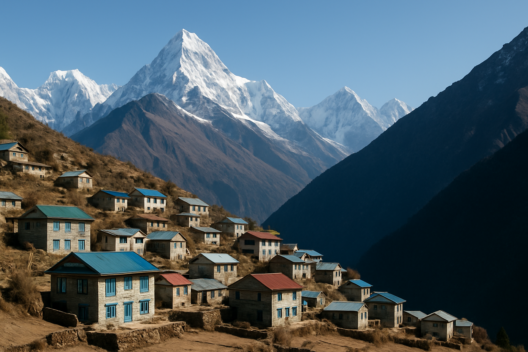
Emerging nations face unique challenges in providing universal education. Factors such as limited resources, inadequate infrastructure, and socio-economic barriers often impede educational progress. However, countries like Rwanda are making strides with innovative approaches to education, focusing on bridging gender gaps and enhancing ICT skills.
One notable example is India’s Right to Education Act, which mandates free and compulsory education for children aged 6 to 14 years, aiming to increase literacy rates and educational access.
How Education Shapes Human Behavior
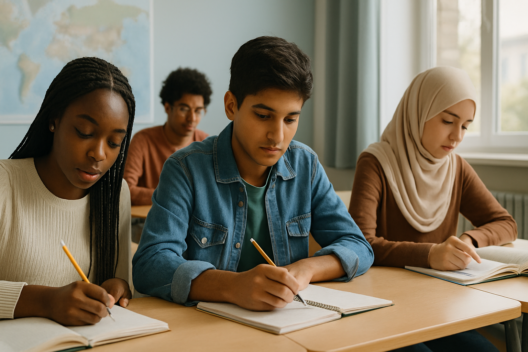
Education profoundly impacts human behavior by shaping cognitive skills, social attitudes, and future aspirations. For instance, collaborative projects in American classrooms promote teamwork, while Finland’s emphasis on individuality encourages self-directed learning.
A study by the World Bank emphasizes the role of education in fostering not only job-specific skills but also broader societal contributions, such as civic participation and ethical reasoning. These elements form the backbone of a thriving, adaptable society.
Frequently Asked Questions
What Makes the Finnish Education System Unique?
The Finnish education system is unique for its less formal classroom settings, an emphasis on teacher training, and a holistic approach to student well-being. This system encourages creativity and critical thinking over rote learning.
How Does Education in Emerging Countries Compare?
While facing significant resource constraints, emerging countries are innovating through policies like India’s Right to Education Act. These efforts focus on overcoming barriers to ensure inclusive education for all segments of society.
Is the Pressure on Students Higher in Asia?
Asian educational systems, especially in countries like China and Japan, often have a rigorous approach, focusing on academic excellence. While this creates high achievers, it can also lead to stress and a limited focus on creativity.
How Does Education Affect Social Behaviors?
Education shapes social behaviors by instilling values, encouraging teamwork, and fostering critical life skills. These influences extend beyond personal development to impact societal norms and economic growth.
Concluding Thoughts
Education systems are as varied as the cultures they derive from, with each approach offering different strengths and challenges. Understanding these systems allows us to appreciate the role of education in shaping not only individual futures but entire societies. As we integrate global insights, the potential for inclusive, innovative education that respects cultural diversity becomes increasingly attainable.
As an educator and cultural observer, my understanding is that the reflective nature of these systems can offer lessons that transcend borders. By adapting best practices from around the world, we can aspire to create educational environments that are enriching and equitable for every learner. For deeper dives into educational methods or comparative studies, explore related articles on Zynomo.com.