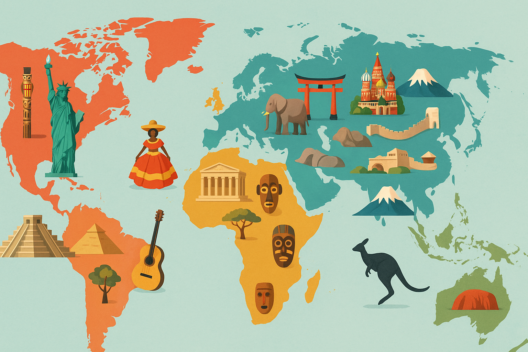



In our increasingly interconnected world, the influence of cultural styles across different countries is more apparent than ever. This article explores how these diverse styles shape human behavior, offering insights for those curious about global cultural dynamics and their personal impact.
Table of Contents
- Understanding Cultural Styles
- Styles in Eastern Countries
- Western Approaches to Culture
- Impact of Cultural Styles on Human Behavior
- Bridging Different Cultural Styles
- FAQs
Understanding Cultural Styles
Cultural styles encompass the distinctive characteristics of a country or community’s way of life, including language, rituals, norms, and art forms. Understanding these elements is crucial for building cross-cultural awareness. According to Geert Hofstede, a prominent social psychologist, cultural dimensions such as individualism versus collectivism and uncertainty avoidance reveal much about societal priorities and behaviors (Hofstede Insights).
Why Cultural Styles Matter
Appreciating cultural styles enhances communication and interactions. When individuals are cognizant of cultural differences, they can foster more effective relationships personally and professionally.
An Example from the Field
A colleague of mine worked in Japan and experienced first-hand how the Japanese emphasis on harmony and respect positively affected team cohesion. This profound respect supported by etiquette fostered collaboration and reduced workplace conflicts.
Styles in Eastern Countries
Eastern cultures, rich in traditions, often emphasize community and hierarchy, influencing daily interactions and societal roles.
The Influence of Confucianism
Confucian principles, which prioritize family loyalty and respect for elders, deeply influence Chinese and Korean societies. These principles manifest in family-centric activities and decision-making processes.
Learn more about cultural practices in our article on Eastern rituals and their modern adaptations.
India’s Colorful Diversity
In India, the plurality of languages and religions results in diverse cultural styles within a single country. Festivals like Diwali are celebrated differently across regions but universally emphasize familial bonds and community unity.
Western Approaches to Culture
Western cultures, often seen as individualistic, celebrate personal achievements and freedoms. This philosophy impacts everything from business practices to societal norms.
American Diversity
The United States exemplifies a melting pot where multicultural influences shape cities and communities, promoting innovation and open-mindedness. You might recall our recent discussion on how immigration reshapes American social dynamics (read more here).
European Traditions
Meanwhile, Europe balances tradition with modernity; countries like Italy and France cherish gastronomy and art, integrating them into daily life and fostering national pride and tourism growth.
Impact of Cultural Styles on Human Behavior
The way cultures are constructed shapes how individuals perceive the world and respond to various situations.
Social Interactions
For example, greeting customs vary significantly. While a bow is respectful in Japan, a handshake or a kiss on the cheek is customary in many Western countries. These simple acts signify respect and understanding of another’s culture.
Decision Making
In collective cultures like those in many Asian countries, decisions often reflect group consensus. In contrast, Western cultures tend to prioritize individual decision-making, influenced by personal goals.
| Cultural Dimension | Eastern Example | Western Example |
|---|---|---|
| Communication Style | Indirect and formal | Direct and informal |
| Workplace Hierarchy | Hierarchical | Flat |
Bridging Different Cultural Styles
Understanding and respecting diverse cultural styles is key to fostering harmonious international relationships.
Effective Communication Strategies
To navigate cultural differences, people should practice active listening and seek common ground. For instance, appreciating a host country’s traditions can build rapport and trust.
Developing Cultural Competence
Professionals across all sectors are encouraged to develop cultural competence through education and hands-on experiences abroad. A globally minded workforce is an asset in today’s economy, as highlighted by the National Center for Cultural Competence (Georgetown University).
FAQs
Why is understanding cultural styles important for businesses?
Understanding cultural styles enables businesses to navigate global markets successfully. It fosters better communication with international partners, leading to effective negotiations and collaborations. By respecting cultural nuances, companies can avoid misunderstandings and build lasting partnerships.
How do cultural styles influence social behaviors?
Cultural styles impact social behaviors in various ways, from greeting customs to conversational norms. These differences can shape interactions, determining levels of formality or directness in communication. Recognizing these variations helps in understanding others’ perspectives and behaviors.
Can cultural understanding improve conflict resolution?
Yes, cultural understanding can significantly enhance conflict resolution. By recognizing and respecting cultural differences, individuals can address misunderstandings more effectively, considering alternative viewpoints and finding mutually acceptable solutions.
What role do education and travel play in cultural appreciation?
Education and travel play crucial roles in cultural appreciation by exposing individuals to diverse histories and practices. These experiences encourage open-mindedness and adaptability, crucial traits in today’s globalized society, enhancing cultural competence and appreciation.
Conclusion: Embracing Cultural Diversity
As we explore different cultures, it is crucial to embrace the diversity and richness they bring to human experience. Recognizing and understanding cultural styles empowers individuals to act thoughtfully in diverse environments. Whether in business or everyday interactions, respecting these differences builds bridges rather than walls. At Zynomo, we celebrate these cross-cultural connections, encouraging every reader to embark on their own journey of cultural discovery.
Read more about how global perspectives can enrich your life in our insights section.
Author Note: At Zynomo, our team comprises travel enthusiasts and cultural aficionados dedicated to sharing the nuances that shape human behavior globally. We’ve combined our experiences and research to provide you with insights that not only inform but inspire an appreciation for the world’s many cultures.