

Why do national celebrations hold such a fundamental place in our hearts and communities? Understanding the roots of these events allows us to appreciate why they’re so embedded in our culture today. This article dives deep into how family traditions and cultural festivals have evolved into major national celebrations, impacting our collective identity.
- Introduction
- Origins of National Celebrations
- Role of Family Traditions in National Celebrations
- Impact of Cultural Festivals
- Modern National Celebrations Around the World
- Preservation and Evolution
- FAQs
- Conclusion
Origins of National Celebrations
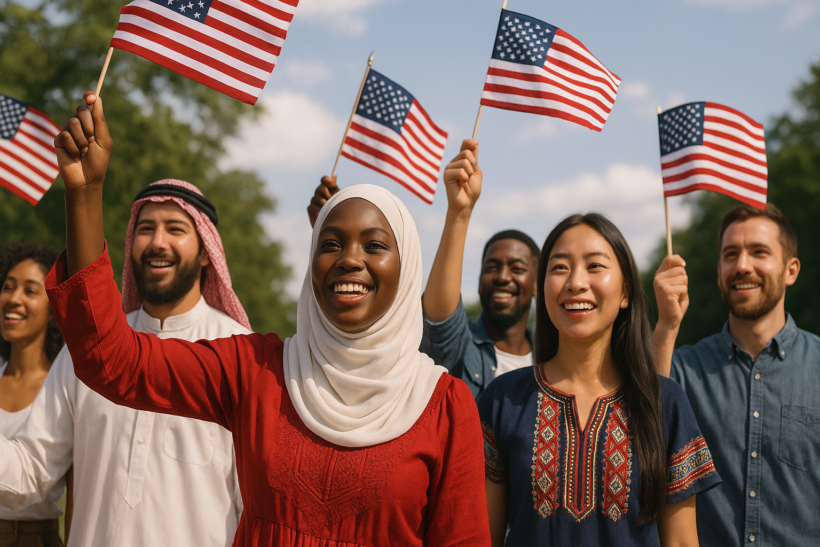
National celebrations have a rich history, often rooted in epochal events or pivotal moments that have shaped a country’s identity. Take, for instance, Independence Day in the United States. The Fourth of July commemorates the adoption of the Declaration of Independence in 1776, marking the birth of American freedom. These celebrations typically emerge not just as political milestones but as symbols of a nation’s trials and triumphs.
Such events set the foundation for annual festivities that bring people together, providing a platform for communal expression and reflection. These celebrations have evolved and interwoven with family traditions and cultural nuances to create a uniquely national reverence.
Role of Family Traditions in National Celebrations
Family traditions are the heartbeats of national celebrations, often passed down through generations. These customs are not just personal practices but national rituals that define our cultural DNA. For example, Thanksgiving in the United States is synonymous with family feasts where recipes have been handed down over generations.
American Thanksgiving: A Case Study
Thanksgiving provides a perfect illustration of how family traditions enhance national celebrations. Originating in 1621, it was initially a harvest festival. Over time, it has become an occasion deeply tied to notions of gratitude and familial bonds, celebrated with turkey meals rooted in ancestral recipes.
In integrating these traditions into national celebrations, families essentially preserve values of unity and continuity, making them an irreplaceable part of societal fabric.
Impact of Cultural Festivals
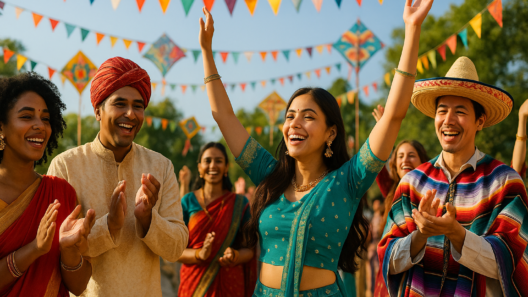
Cultural festivals often serve as the progenitors of national holidays. These events provide insight into the cultural diversity that feeds into national celebrations. Diwali in India, for instance, is a festival of lights that signifies the victory of light over darkness. While initially a religious celebration, its national recognition speaks to its widespread cultural significance.
| Festival | Origin | Significance |
|---|---|---|
| Diwali | Ancient India | Victory of light over darkness |
| Hanukkah | 2nd century BCE | Rededication of the Holy Temple |
Modern National Celebrations Around the World
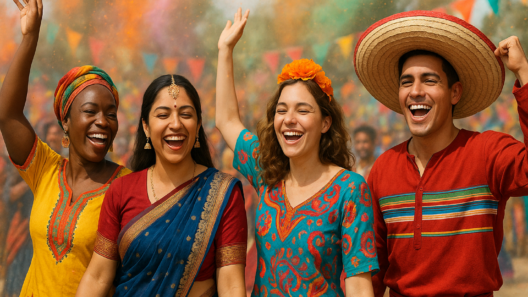
Today’s globalized world sees modern national celebrations borrowing from various cultures. Take Cinco de Mayo in the United States, known for its vibrant festivities celebrating Mexican heritage, yet more widely observed in the U.S. than in Mexico itself. Such occasions demonstrate the blending of traditional elements with contemporary adaptations, emphasizing unity and diversity.
Chinese New Year: A Global Phenomenon
Another fascinating case is the Chinese New Year, which has evolved into a global festival. Viewed as the most important traditional holiday in China, its celebrations now resonate worldwide. This universal embrace illustrates how national celebrations can transcend borders while retaining original cultural essence.
Preservation and Evolution
As the world modernizes, there’s an ongoing debate about preserving cultural festivals versus allowing them to evolve. The dynamic nature of these celebrations inevitably leads to change. While some argue for conservation, others see evolution as a way to keep traditions relevant in contemporary contexts.
FAQs
Why are national celebrations important?
National celebrations serve as a way to honor historical events, foster communal ties, and preserve cultural traditions. They provide an opportunity for reflection and unity, promoting a sense of national identity and pride.
How do family traditions influence national celebrations?
Family traditions personalize national celebrations, embedding individual and communal values into broader events. These practices ensure that celebrations remain relevant and cherished across generations, fostering a shared cultural heritage.
Can international cultural festivals become national celebrations?
Yes, international cultural festivals can evolve into national celebrations when they resonate strongly with the people’s cultural values and history. Over time, they may be recognized officially or gain widespread popularity.
What is the role of cultural adaptation in celebrating holidays globally?
Cultural adaptation allows holidays to maintain their core essence while becoming inclusive to diverse communities. It’s a balancing act of preserving tradition while incorporating elements that resonate with a wider audience.
Conclusion
The history behind national celebrations is both fascinating and complex, intertwining family traditions with cultural festivals. These events are more than just commemorations; they are reflections of our shared history and a testament to the evolving nature of our cultures. Embracing both preservation and evolution ensures that these celebrations remain relevant, vibrant, and inclusive for generations to come.