



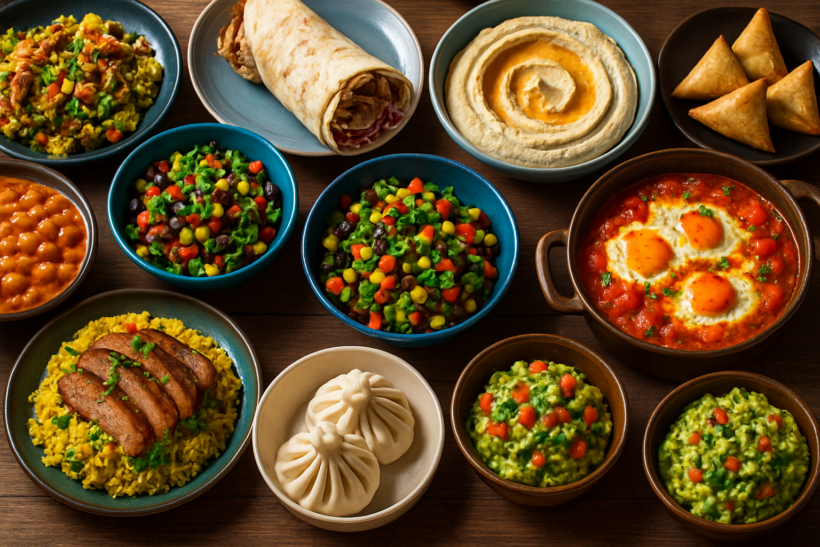
Exploring Traditional Foods and Their Cultural Significance Across Diverse Cultures
Traditional foods have been a cornerstone of cultural identity and heritage. They not only offer a glimpse into a region’s history but also play a pivotal role in shaping human behavior and community bonds. This article dives deep into the world of traditional foods, their cultural significance, and how different culinary styles across diverse countries unfold unique narratives.
- The Global Tapestry of Food
- Cultural Narratives and Traditional Dishes
- Influence of Traditional Foods on Human Behaviors
- Redefining Identity Through Cuisine
- Modern Interpretations and Preservation Methods
- Conclusion and Takeaways
The Global Tapestry of Food
The Role of Geography and Environment
Different countries have their unique flavors and traditional foods influenced profoundly by geography and climate. For instance, the Mediterranean diet, rich in olive oil and seafood, largely reflects the coastal ecosystems of the region. Conversely, landlocked countries might focus on game meats and grains that thrive in their terrains.
Trade and Historical Influences
Trade routes such as the Silk Road introduced unprecedented culinary exchanges among ancient civilizations. Spices from South Asia made their way to European kitchens, shaping the flavor profiles of traditional dishes that we see today, such as England’s love for Indian-inspired curries.
Cultural Narratives and Traditional Dishes
Symbolism and Meaning
Food is not just sustenance; it is steeped in symbolism and meaning. In Japan, New Year Mochi symbolizes purity and prosperity for the coming year. Such foods are integral to celebrations and signify deeper cultural stories shared across generations.
Feast and Festival Connections
Many traditional foods are linked to cultural festivals, underpinning their significance in rituals and festivities. For instance, Greece’s use of lamb during Easter or China’s mooncakes during the Mid-Autumn Festival connect people to their cultural roots.
Influence of Traditional Foods on Human Behaviors
Cultural Bonding and Values
Sharing traditional meals often strengthens family and community bonds. Through communal eating practices, valued from Italy’s Sunday family lunches to the Ethiopian coffee ceremony, individuals reinforce their cultural identities.
Personal and Community Identity
Traditional foods significantly impact personal and community identity formation, defining societal norms, etiquettes, and even influencing moral codes. Meals like India’s Thali mirror the diversity and unity inherent in its culture.
Redefining Identity Through Cuisine
Adaptation to Modern Life
With globalization, traditional dishes adapt to modern palates, introducing fusion cuisines. Whether it’s sushi burritos in urban America or kimchi-topped tacos, these evolutions create new identities that reflect contemporary lifestyles.
Maintaining Tradition in a Global World
Despite these changes, preserving authentic recipes and techniques remains vital. Organizations like Slow Food International work globally to maintain biodiversity and promote traditional cooking methods, resisting the homogenization of global diets.
Modern Interpretations and Preservation Methods
Sustainable Practices
Sustainability is central to preserving traditional foods. As modern consumers prioritize environmental consciousness, traditional practices like fermentation and seasonality become relevant. Campaigns advocating local consumption help sustain these age-old practices.
Culinary Education and Preservation Efforts
Culinary education programs worldwide emphasize traditional methods, inspiring younger generations to appreciate and continue their cultural legacies. Institutions often partner with local communities creating a reservoir of cultural wisdom accessible to all.
| Country | Traditional Dish | Significance |
|---|---|---|
| Italy | Risotto alla Milanese | Wealth and Celebration |
| India | Biryani | Celebration and Festivity |
| Mexico | Tamales | Community and Faith |
FAQ
What defines a ‘traditional food’?
Traditional foods are typically defined by their deep roots in cultural history. They are often prepared using recipes that have been passed down through generations. These foods are usually specific to particular cultures or regions and reflect significant historical and social contexts. This historical continuity gives these dishes symbolic and emotional significance beyond merely culinary appreciation.
How do traditional foods impact modern culinary trends?
Traditional foods often inspire modern culinary trends through fusion and innovation while influencing sustainable practices. As chefs seek authenticity, these dishes offer a rich tapestry of flavors and stories. Meanwhile, interest in organic or local produce echoes traditional agricultural practices, ensuring a balance between past techniques and current culinary advancements.
Are traditional foods still relevant in a globalized world?
Despite the influence of globalization, traditional foods remain incredibly relevant. They act as cultural ambassadors and play a critical role in maintaining cultural identity amid global diversity. By preserving these foods, communities maintain a connection to their heritage, creating a vibrant mosaic of global cuisines.
What are the challenges in preserving traditional foods?
The main challenges include globalization’s tendency to homogenize diets and a disconnect between generations as younger people embrace fast food. Additionally, economic pressures can lead to the adoption of cost-saving but less authentic cooking methods. However, growing interest in sustainable and organic foods is helping to revive traditional practices.
How can one experience traditional foods authentically?
To genuinely experience traditional foods, visiting local establishments, attending cultural festivals, and engaging in culinary tours are effective methods. Learning from locals through cooking classes or storytelling offers a deeper insight into the cultural significance of these foods, going beyond their culinary appeal.
How do traditional foods shape human behavior?
Traditional foods influence human behavior by fostering community ties, shaping cultural norms, and defining identity within a social framework. These meals often accompany major rites of passage, festivals, or family gatherings, thereby reinforcing social connections and shared cultural values.
Conclusion and Takeaways
Traditional foods are mirrors of cultural diversity, offering more than just flavors. They tell stories of ancestors, shape cultural identities, and foster communal ties. Through adaptation and preservation, these dishes remain vital, bridging the past with present culinary narratives.
As we continue exploring global cuisines, embracing traditional foods enriches our understanding of cultural heritages worldwide (read more on global food experiences).