


In a world that’s increasingly globalized yet deeply rooted in rich, diverse traditions, understanding how styles across cultures influence human behavior has never been more relevant. At Zynomo.com, we’re passionate about delving into the cultural tapestries that shape our global society. By examining the nuances of styles from different countries, we uncover a profound impact on individual identity and collective behavior.
- Influence of Fashion Styles
- Language and Communication Styles
- Artistic Expression and Identity
- Work Environments Across Cultures
- Culinary Divergence and Social Dynamics
- FAQ
Influence of Fashion Styles
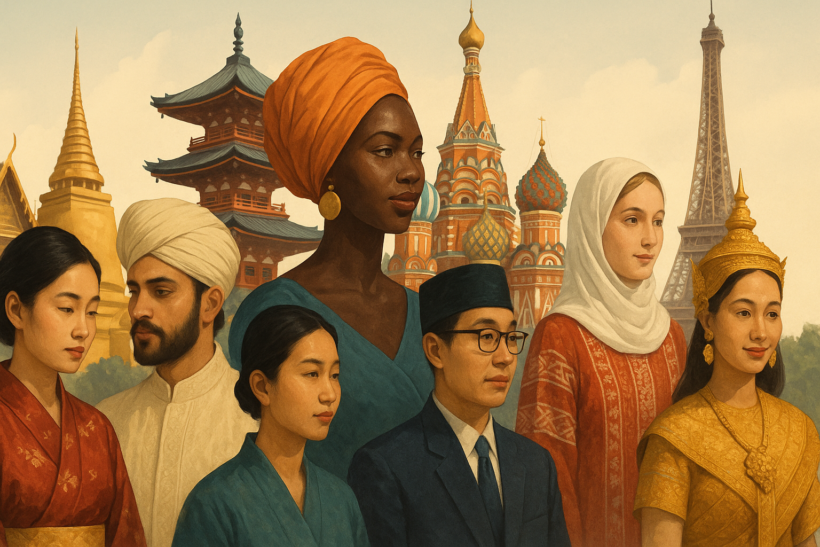
Fashion is more than just a means of aesthetic expression; it’s a powerful cultural symbol that reflects a nation’s values and traditions. From the tailored elegance of Italian fashion to the vibrant patterns of African tribal wear, these styles are embedded with historical significance.
Consider Japan’s streetwear culture, characterized by bold, eclectic styles that challenge traditional norms. This unique expression influences not only self-perception but also societal expectations, encouraging individuality while respecting cultural heritage.
Research from the Fashion Institute of Technology highlights that fashion not only mirrors cultural shifts but also propels them, shaping how individuals interact in society and perceive themselves.
What We Learned from Fashion Week Around the World
Having attended various fashion weeks, it’s evident that these events are melting pots of creative expression. They serve as platforms for designers to showcase creations that blend contemporary trends with cultural elements, influencing global fashion movements.
Discover more about how fashion styles are evolving worldwide and influencing modern trends.
Language and Communication Styles
Language is a cornerstone of cultural identity, influencing how communities communicate and connect. Variations in language can affect interpersonal relationships and social dynamics.
How Different Languages Shape Thought Processes
Studies suggest that language can influence cognitive processes. For instance, bilingual individuals often experience enhanced problem-solving skills due to their ability to switch between linguistic frameworks.
Common communication styles, too, vary widely across cultures. The direct communication approach typical in Western cultures contrasts with the indirect nuances of Asian conversation, reflecting deeper cultural values.
These linguistic variations highlight how language shapes our views and interactions, driving home the importance of cultural sensitivity and adaptation.
Artistic Expression and Identity
Art is universally acknowledged as a profound expression of cultural identity. From the intricate dances of Indian classical forms to the minimalist beauty of Scandinavian design, art in all its forms tells stories of cultural evolution and heritage.
Consider the transformative power of indigenous art, which often serves to preserve stories and traditions in communities facing cultural erosion. The Ta Moko, or Maori tattoo art, is a striking example—integral to personal and cultural identity among New Zealand’s indigenous people.
Explore the connection between art and cultural identity in greater depth.
Work Environments Across Cultures
The structure and dynamics of work environments are heavily influenced by cultural norms. This impacts everything from hierarchal dynamics to workplace attire, and even office layouts.
Cultural Influences in Workplace Dynamics
For example, the concept of ‘Hofstede’s Cultural Dimensions’ helps explain how cultural differences influence workplace values. In high-power distance cultures like Japan, hierarchy is emphasized, whereas, in Scandinavian countries, a flat organizational structure encourages egalitarianism.
Such cultural influences dictate work etiquette and expectations, affecting employee morale and productivity. Recognizing these differences is crucial for multinational companies aiming for cohesive, culturally respectful workspaces.
Culinary Divergence and Social Dynamics
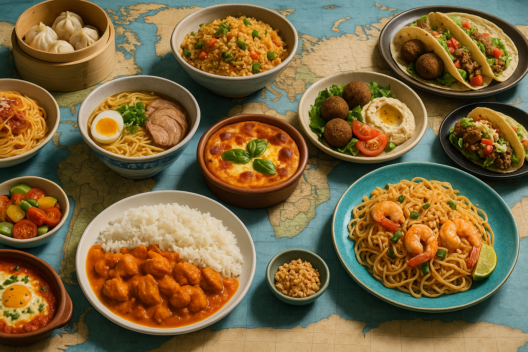
Food is a vibrant element of cultural identity, influencing everything from social interactions to personal habits. Culinary traditions offer insight into rituals, community bonding, and even socio-political history.
The Social Role of Food in Different Cultures
In France, for instance, meals are a celebrated tradition, emphasizing leisurely multi-course gatherings reflecting the importance placed on social connection. Meanwhile, the buffet-style meals in America reflect a culture of convenience and efficiency.
Research by the Global Culinary Institute indicates that food practices can influence social structures, affecting everything from family dynamics to national celebrations.
FAQ
How do cultural styles influence global trends?
Cultural styles, embedded with historical and societal values, play a pivotal role in shaping global trends. As these styles become more accessible via globalization, they influence everything from fashion to technology, often setting the stage for international trends.
Why is it important to understand cultural differences in communication?
Understanding cultural differences in communication is crucial for fostering respectful and effective interactions. Recognizing variations in communication styles enables us to avoid misunderstandings and build stronger interpersonal relationships.
What is the impact of cultural arts on identity?
Cultural arts are a vital means of expressing identity and preserving tradition. Engaging with cultural arts fosters a deeper understanding of one’s heritage and enhances individual and community identity, linking past and present through visual storytelling.
How can workplace culture impact business success?
Workplace culture, shaped by national and organizational norms, significantly influences employee satisfaction and productivity. A culturally aware workplace can lead to improved morale, innovation, and ultimately, business success.
What role does food play in cultural practices?
Food is integral to cultural practices, serving as a means for ritual celebration, storytelling, and social bonding. Beyond sustenance, culinary traditions represent shared values and histories, influencing cultural continuity and social dynamics.
Dive deeper into exploring global cultural nuances with our related content.