
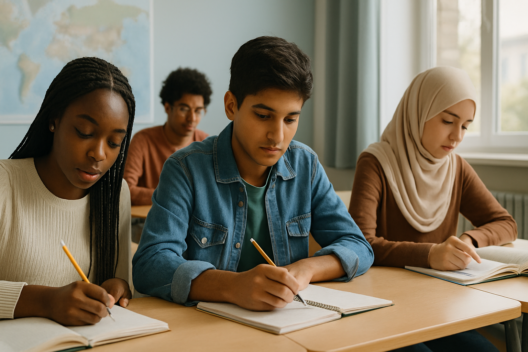

Education Systems Around the Globe: Styles Across Cultures
The quest for knowledge is universal, yet the paths we traverse to obtain it vary significantly across cultures. How different countries structure their education systems has profound effects on shaping human behavior, reflecting cultural norms and societal priorities. This article dives into the education systems around the world, highlighting how these systems reflect styles across cultures and influence young minds.
In this article, we will explore education systems in several countries, shedding light on the diverse approaches and outcomes that define educational landscapes globally.
- Overview of Global Education Systems
- Country-Specific Education Systems
- Cultural Influence on Education
- Impact on Human Behavior
- Emerging Trends in Education
- FAQs
Overview of Global Education Systems
Education systems span a wide range of structures and philosophies. While some countries emphasize exams and standardized testing, others focus on creativity and holistic development. The geographic, economic, and historical contexts of a country greatly influence its educational priorities.
Standardized vs. Holistic Approaches
Countries like China and South Korea are known for rigorous standardized exams which drive educational milestones. In contrast, Finland’s education system prioritizes holistic development, less testing, and more personalized learning experiences.
Role of Government and Private Sector
In many countries, education is primarily government-funded, providing universal access. However, some nations like the United States have a significant number of private institutions that contribute to educational diversity and innovation.
Country-Specific Education Systems
Finland: A Model of Educational Excellence
In Finland, the focus is on quality over quantity, with shorter school days and longer vacations. Teachers are highly respected, and education is free at all levels, including university.
One significant success factor is the teacher-to-student ratio. The smaller class sizes ensure personalized attention and support for each student. This model exemplifies how freedom and responsibility in education can lead to exceptional outcomes.
South Korea: The Power of Discipline and Respect
South Korea’s education system emphasizes discipline, respect for authority, and a workforce-ready curriculum. An ordinary South Korean student spends many hours in school and after-school programs, which fosters a competitive atmosphere.
This emphasis on education has contributed to the country’s rapid economic growth but has also raised concerns about student well-being and overemphasis on exams.
United States: Diversity and Choice
The U.S. education system is characterized by its diversity and choice, offering a plethora of paths and opportunities. From public to private schools and charter schools to homeschooling, American students experience varied educational styles.
The freedom and variety in educational choices allow for specialization and extracurricular enrichment. However, disparities in quality and access remain challenges.
Cultural Influence on Education
How Culture Shapes Curriculum
Curriculum development is heavily influenced by cultural values. For instance, Japanese schools incorporate moral education and group activities reflecting the country’s collectivist society, whereas American curricula often emphasize individual achievement and critical thinking.
Language and Communication in Classrooms
Language plays a critical role in education. In multilingual countries like India and Singapore, education systems must balance linguistic diversity with the need for a national or international lingua franca, such as English, for global competitiveness.
Impact on Human Behavior
Education systems significantly influence behavioral development, guiding how individuals approach problem-solving, teamwork, and innovation. Exam-focused systems might foster discipline and perseverance, whereas systems that emphasize creativity can nurture innovation and adaptability.
Case Study: Creativity vs. Conformity
A comparison between Finnish and Chinese students reveals how different school systems can shape personalities. Finnish students, raised in a system that supports innovation, often display creative approaches to challenges. Conversely, Chinese students might excel in structured problem-solving, reflecting their education’s emphasis on conformity and excellence.
Emerging Trends in Education
As we move towards 2026, education globally faces new challenges and opportunities. Technology integration through digital classrooms and AI is a burgeoning trend, ensuring adaptive learning experiences suited to each student’s pace and style.
Moreover, there’s a growing recognition of mental health and well-being in educational settings. Countries are increasingly embedding life skills and mental health education into their curricula to better equip students for the complexities of modern life.
| Country | Primary Focus | System Type |
|---|---|---|
| Finland | Holistic Development | Free and Government-funded |
| South Korea | Academic Excellence | Standardized Testing |
| United States | Diversity and Choice | Mixed Public and Private |
FAQs
How do education systems shape cultural identity?
Education systems perpetuate cultural norms and values, shaping students’ perceptions of community and identity. For instance, communal activities in schools in Japan emphasize group cohesion and respect for tradition, influencing societal interactions.
Are students equally happy in high-pressure education systems?
Not necessarily. High-pressure systems, like those in South Korea, often report high student stress levels. Whereas, systems that balance learning with play, such as Finland’s, tend to report greater student satisfaction and well-being.
How does global standardization impact individual education systems?
While global standardization in education, such as the adoption of international curricula like the IB, provides common benchmarks across countries, it can sometimes clash with local educational values and needs, prompting a need for adaptation.
What role does technology play in modern education systems?
Technology plays a pivotal role in evolving education, offering digital tools that enhance personalized learning and ensure wider access to quality resources. Countries are embracing digital platforms to deliver education tailored to individual learning paths.
Summarizing the Global Educational Landscape
Education systems around the world are as diverse as the cultures they emerge from. They carry not just the responsibility of imparting knowledge, but also of shaping future generations’ character and values. Recognizing these differences helps us appreciate cross-cultural insights and emerge with better systems that foster global citizenship and understanding.
Key Takeaway: Whether through rigorous testing or holistic approaches, education systems around the globe reflect cultural values and shape human behavior in unique ways, significantly influencing global prosperity and innovation.
Related article on the impact of technology in education
Explore more about cultural influences on learning
Read about modern educational trends
Educators and policymakers worldwide would benefit from sharing practices and learning from the successes and challenges in varying educational contexts, as globalization demands a more collaborative approach to education reform.