



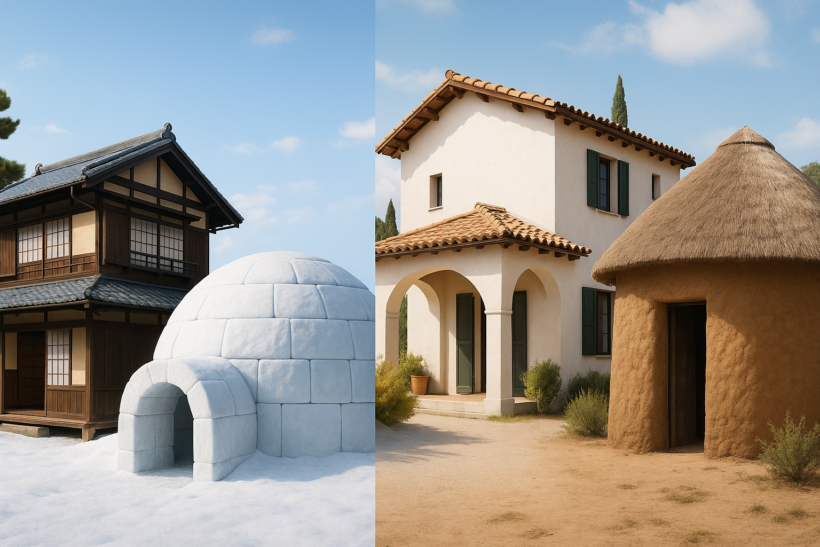
Exploring Unique Housing Styles Across Cultures
In a world as diverse as ours, the homes we live in offer a fascinating lens through which we can explore cultural differences. Housing styles around the globe are as varied as the people who inhabit them, shaped by climate, history, resources, and cultural values. This article delves into unique housing styles across different countries and how they impact human behavior. Whether you’re an architecture enthusiast, a culture buff, or simply curious about the world, there’s something here for you.
Japanese Ryokan: A Blend of Tradition and Minimalism
Ryokan are traditional Japanese inns that emphasize simplicity, natural materials, and a connection with nature. They often feature tatami-matted rooms, sliding doors, and communal baths. This style reflects the Japanese values of harmony and tranquility.
I’ve had the pleasure of staying in several ryokans during my travels in Japan. What struck me each time was the emphasis on relaxation and the slow pace of life. The absence of clutter allows for mental clarity, and the meticulously maintained gardens inspire a meditative mindset.
One might argue that the minimalist style of ryokan has influenced the modern global trend towards simplicity in home decor—a testament to their cultural impact.
The Cultural Importance of Ryokan
More than just accommodations, ryokans are integral to the cultural experience of Japan. They offer a glimpse into traditional Japanese lifestyle and hospitality, known as ‘omotenashi’. The design encourages interaction with nature and neighbors, fostering communal living which is central to Japanese society.
Igloos in the Arctic: Ingenious Solutions to Harsh Climates
Constructed using blocks of compacted snow, igloos are the epitome of adaptive architecture. Indigenous peoples of the Arctic, such as the Inuit, have employed this form of housing for centuries. The design cleverly utilizes thermal properties to provide insulation against the freezing temperatures.
I once visited an Arctic village in Canada where local guides taught us how to build a small igloo. It was remarkable to see how quickly warmth accumulated inside once we had sealed ourselves from the biting winds.
This architectural style isn’t just about surviving harsh climates. It’s about community living—igloos often serve as communal spaces where families gather to share stories and meals. This fostered a strong sense of unity and cooperation among the inhabitants.
Environmental Impact and Sustainability
Igloos are a prime example of eco-friendly architecture. Built from natural materials, they leave no permanent scar on the landscape, making them a sustainable housing solution that aligns closely with indigenous practices of living in harmony with nature.
Mediterranean Villas: Celebrating Indoor-Outdoor Living
With their terracotta tiles, stone walls, and grand archways, Mediterranean villas are structured to celebrate both the indoor and outdoor environments. Found predominantly in southern Europe, these homes are designed to keep interiors cool and breezy in warm climates.
Visiting friends in Spain, I was amazed by their villa’s seamless blend of indoor and outdoor living spaces. The open terraces and shaded courtyards offered picturesque settings for meals and gatherings, promoting an active and communal lifestyle that is a hallmark of Mediterranean culture.
The Social Dynamics of Mediterranean Living
These villas encourage interaction. The open layouts and communal spaces are perfect for large family gatherings, enhancing social bonds and facilitating a lively social life. This design philosophy reflects the Mediterranean way of life, stressing family values and community ties.
African Mud Huts: Resourceful and Resilient
Mud huts, especially prevalent in rural parts of Africa, are prime examples of sustainable building practices. They are constructed using locally sourced materials like mud, straw, and wood, making them an environmentally conscious choice.
During my travels in Ghana, I witnessed firsthand the efficiency and comfort these structures offer. Despite their humble appearance, they provide exceptional insulation against the heat and are easily repaired following seasonal rain damage.
Cultural Implications and Community
The construction and maintenance of these huts are often communal activities, strengthening community bonds. The collaborative nature of building these homes is symbolic of the deep-seated community spirit inherent in many African cultures.
Conclusion
The fascinating diversity of housing styles worldwide demonstrates the profound connection between architecture and culture. Each style not only echoes the environmental and historical context of its region but also plays a role in influencing the behaviors and interactions of its people.
What are the unique characteristics of a Japanese ryokan?
Japanese ryokans are renowned for their minimalistic design featuring tatami mats, sliding doors, and natural elements. They highlight traditional Japanese hospitality, or ‘omotenashi’, encouraging a connection with nature and community that promotes tranquility.
How do igloos keep inhabitants warm?
Igloos utilize compacted snow’s insulating properties to trap body heat inside, maintaining a temperature well above the extreme cold outside. Their dome shape also minimizes wind exposure, enhancing warmth retention. This ingenious design serves the Inuit well in the harsh Arctic climate.
Why are Mediterranean villas designed with open spaces?
Mediterranean villas are crafted for indoor-outdoor living, promoting airflow and cooling in warm climates. Their open terraces and courtyards are ideal for social gatherings, reflecting the Mediterranean culture’s emphasis on family and communal life.
What makes African mud huts sustainable?
African mud huts are constructed using local natural materials like mud, straw, and wood, which ensures minimal environmental impact. Their efficient use of these resources not only makes them sustainable but also perfectly suited to their environment.
How do different housing styles impact human behavior?
Housing styles influence daily life by shaping how people interact with their environment and community. For instance, open spaces in Mediterranean homes enhance social engagement, while ryokan interiors promote introspection and calm.
Examining these diverse architectures reveals much about how people adapt to and flourish in different contexts, underscoring the intricate relationship between culture and living spaces.