


How Styles Across Cultures Shape Human Behavior
Understanding how styles across different cultures influence human behavior provides invaluable insights for anyone intrigued by the intricate nexus of culture, fashion, and psychology. This article is tailored for readers interested in exploring how different cultures utilize unique styles to express identity, values, and social norms, ultimately shaping behavior.
- Cultural Significance
- Influence on Personal Identity
- Globalization and Cultural Blend
- Case Studies
- Expert Opinions
- FAQ
Cultural Significance
Culture is the invisible hand guiding behavior, beliefs, and interaction methods. The styles we adopt are intricate representations of this cultural foundation. The significance of style can be seen in historical trends and distinctive national garments, revealing not just the aesthetic values but also the underlying socio-political contexts. In Japan, the kimono is more than a garment—it’s a symbol of elegance and social status, influencing behavior by dictating posture and social interaction styles.
Historical Context
By exploring the evolution of styles within various societies, we understand how historical events—like China’s Cultural Revolution—influenced attire and behavior by prioritizing collective over individual identity.
Social Norms and Fashion
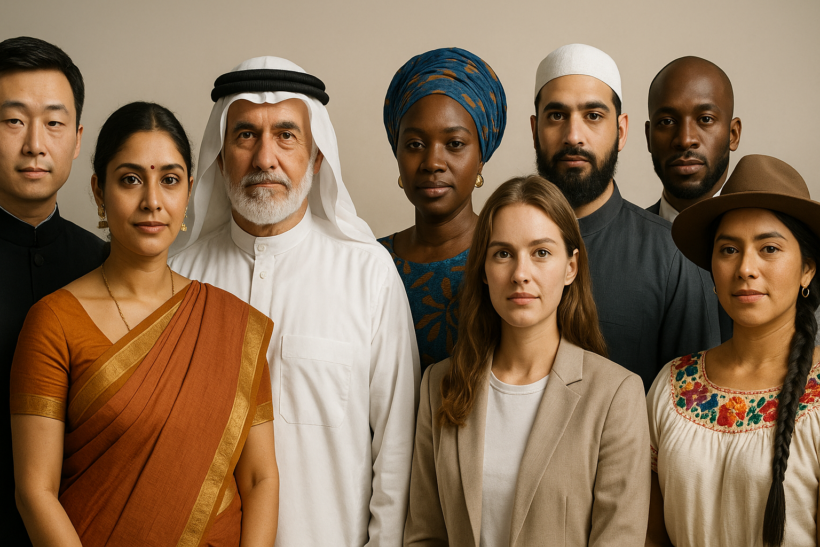
Styles serve as a communication tool for societal norms. In many Middle Eastern cultures, modesty in clothing directs public conduct and personal interactions, shaping an individual’s behavior through community-driven values.
Influence on Personal Identity
Style is a powerful vehicle for personal and cultural identity expression. It acts as a visual language through which individuals convey their subcultural membership, beliefs, or social status. When traveling through African countries, for example, the bright colors and patterns often reflect community affiliations and individual status, affecting how people perceive themselves and interact with others.
Identity Formation
Research by Dr. Judith Schoen on adolescent behavioral development highlights how jeans, a Western icon, symbolize rebellion in some cultures or conformity in others, demonstrating how style shapes and reflects identity.
Behavioral Influence
The choice of clothing affects personal mindset and behavior. Studies have shown that individuals wearing professional attire often feel more authoritative and are perceived as more competent, influencing interpersonal dynamics.
Globalization and Cultural Blend
As globalization blurs cultural boundaries, styles fuse and evolve. This exchange fosters diverse cultural appreciation but can lead to cultural homogenization. The popularity of K-pop globally shows how South Korean fashion has reshaped youth identity worldwide, influencing behavior by promoting certain aesthetics and lifestyle aspirations.
Cultural Exchange
Institutions like UNESCO promote cultural exchange through fashion, celebrating diversity while emphasizing the importance of preserving traditional styles amidst global trends.
Adopting Hybridity
Fashion weeks in places like Paris and New York often showcase hybrid designs, exemplifying how blended styles influence consumer behavior and body image perceptions globally.
Case Studies
Let’s examine two illustrative case studies that highlight how cultural styles influence human behavior.
Japanese Traditional vs Modern Styles
In Japan, the harmonic coexistence of traditional wear like kimonos with modern streetwear encapsulates the nation’s cultural interplay. Psychologist Ken Honda notes how individuals switch behavioral patterns with attire, often embodying more reserved manners in traditional attire.
African Print in Urban Fashion
The infusion of African prints in global urban fashion offers both a nod to heritage and a statement of modernity, influencing global markets and consumer behavior.
| Culture | Traditional Style | Modern Influence |
|---|---|---|
| Japanese | Kimono | Streetwear |
| African | Kente Cloth | Urban Fashion |
Expert Opinions
Renowned cultural expert Dr. Mei Lin emphasizes that style is a dynamic force influencing self-perception and interaction within social frameworks. Lin’s studies indicate that mastering cultural styles fosters cross-cultural understanding, essential in today’s globalized society.
Meanwhile, fashion theorist Carlos Remirez argues that blending traditional and contemporary styles invites innovation, fostering creativity and enhancing individual expression.
FAQ
How do cultural styles specifically influence daily behavior?
Daily behavior is influenced by cultural styles through implicit social cues and expectations tied to attire. For instance, in cultures where traditional clothing is worn, there’s often a sense of pride and heritage that influences interpersonal relations and the preservation of etiquette.
What are some examples of style blending in globalization?
Globalization has led to style blending, such as the incorporation of African prints in contemporary Western fashion lines or Japanese street fashion influencing global urban wear. These blends create new trends and relay cultural integrity, impacting global consumer patterns.
Are there any downsides to cultural style blending?
While cultural style blending promotes diversity, it can sometimes result in cultural appropriation, where mainstream adoption strips original cultural significance. Ethical appreciation and impact on originality should be considered carefully.
How does the perception of style differ across cultures?
Perception of style varies based on cultural values. For example, Western cultures may view individualistic styles favorably, whereas Eastern cultures might prioritize unity and conformity. These perceptions influence fashion industries and individual behavior globally.
Key Takeaways: Styles across cultures are more than aesthetics—they’re behavioral influencers, shaping personal identities and social dynamics in a global context.
Conclusion
Styles across cultures wield significant influence over human behavior, carving out identities and fostering connections in our globally integrated world. Recognizing and respecting these influences not only enriches personal style but also contributes to a more understanding and interconnected global society. By appreciating these cultural nuances, we advance inclusivity and creativity in personal and societal realms alike.
Author note: As an aficionado of cultural studies and a frequent contributor to zynomo.com, I possess extensive experience analyzing how fashion and cultural phenomena shape our world. I continually seek out diverse perspectives to offer comprehensive insights into cultural dynamics and their impact on human behavior.