



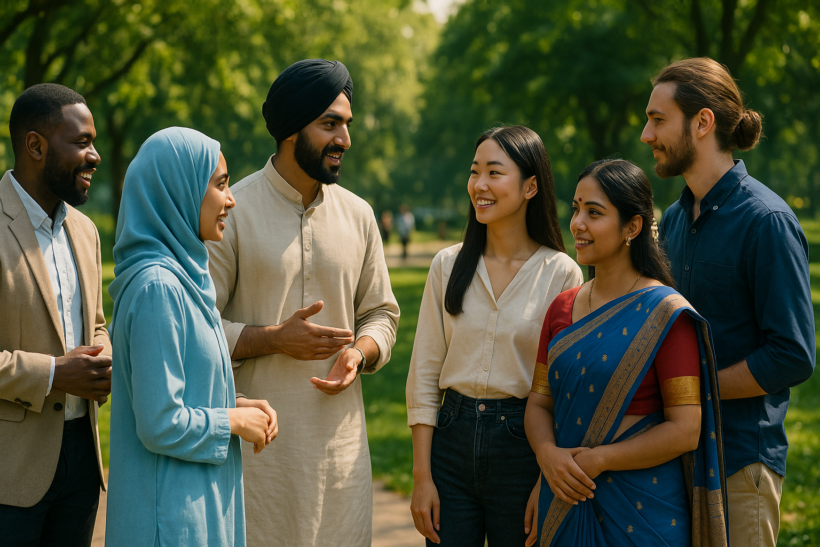
Exploring Lifestyles Across Cultures: How Different Countries Shape Human Behavior
Understanding the diverse lifestyles and cultural norms of different countries is essential in comprehending global human behavior. Whether you’re a traveler, a cultural enthusiast, or someone who relishes discovering new ways of living, exploring these differences can deepen your appreciation for our shared yet varied human experience.
Communication Styles
Communication is a pivotal aspect of any culture, reflecting unique social values and historical contexts. For instance, Japanese communication often emphasizes harmony and indirectness to maintain social balance, contrasting with the more direct style found in American communication.
Why These Differences Matter
Diverging communication styles affect everything from business negotiations to personal relationships. Understanding these differences can prevent misunderstandings and foster smoother interactions across cultures.
For example, the Japanese principle of “Tatemae and Honne” (public facade vs. private thoughts) exemplifies the fine line between perceived politeness and actual feelings, shaping societal interactions.
Work Culture
Each country brings unique elements to its workplace dynamics. In Germany, punctuality and efficiency are revered, underscoring their reputation for diligence and precision.
Comparison Table of Work Cultures
| Country | Key Attributes |
|---|---|
| Japan | Collective teamwork, loyalty, seniority respect |
| USA | Innovation-driven, individual performance, flat hierarchy |
Real-Life Implications
Organizations operating internationally must adapt to these different frameworks. Misalignments in work ethics can lead to miscommunications and inefficiencies.
Eating Habits
Cuisine is another critical component of cultural identity. The Mediterranean diet, rich in fruits, vegetables, and healthy fats, contrasts with the buttery and hearty dishes of French cuisine.
The Role of Tradition in Food
Traditional diets reflect centuries-old agricultural practices and cultural interactions with the environment. Inherited dietary habits can influence lifestyle diseases and overall health.
Community Building
Diverse community models reflect cultural priorities, from Scandinavian egalitarianism in social resources to Indian community interdependence through joint family systems.
The Impact of Community Models
Communities shape social support networks, impacting everything from mental health to economic resilience. Understanding these dynamics can inform policy-making and community services.
Real-life Examples and Case Studies
Take the example of the Italian concept of “La Dolce Vita”, which encourages a balanced life filled with leisure, forming the bedrock of happiness in Italian communities.
By contrast, South Korea’s “Ppali-Ppali” culture emphasizes speed and efficiency in daily activities, revealing deep-rooted values of rapid modernization.
FAQ
How do communication styles influence international business?
Divergent communication styles can either enhance or hinder business operations. Understanding cultural contexts is vital for negotiations, fostering respect, and crafting strategies that resonate globally.
What are common pitfalls when adapting to a new work culture?
Newcomers might face challenges like misaligned expectations and etiquette breaches. It’s critical to research and understand cultural norms and seek mentorship for smoother transitions.
How do eating habits reflect broader cultural values?
Diets often mirror cultural emphasis on health, environmental adaptation, and social practices, shaping national health outcomes. Celebrating diverse cuisines also promotes cultural appreciation.
Why is understanding community building important across cultures?
Communal values affect social structures and cohesion. Knowing these can guide policy and organizational strategies that better fit societal needs and enhance the quality of life.
Conclusion
Investigating the intricate elements that different cultures contribute to our global tapestry allows for greater empathy and understanding, necessary in an interconnected world. By appreciating the nuanced ways in which people around the world live, work, eat, communicate, and build communities, we provide a foundation for respectful and successful intercultural engagements.
Author Note: As someone who has immersed myself in various cultures throughout extensive travels and studies, I cherish sharing these insights to bridge gaps and celebrate diversity.