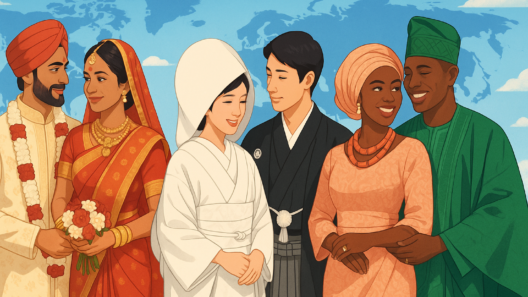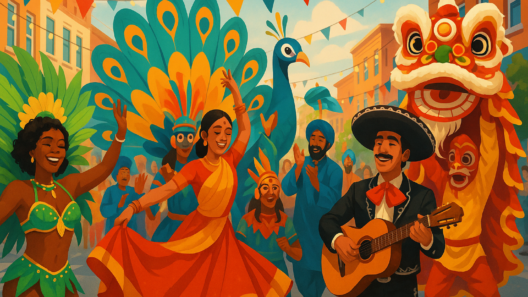



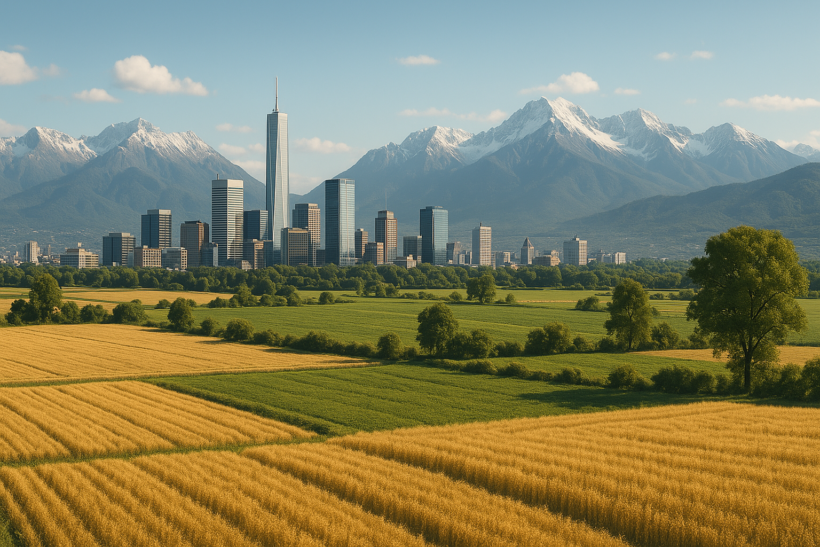
Understanding how geography influences human behavior provides insights into why people across different countries develop distinct cultural styles. This exploration highlights the profound connection between our environment and the ways we interact with the world, including customs, work habits, and social interactions.
- Impact of Geography on Culture
- Urban versus Rural Behavior
- Climate and Its Influence on Attitudes
- Geographical Barriers and Isolation
- Global Case Studies
- FAQ
Impact of Geography on Culture
Geography can significantly impact the development of distinct cultural identities. Historical access to resources, proximity to trade routes, and topographical features have molded societies in specific ways. For example, the development of agriculture-based societies in flat, fertile plains versus nomadic cultures in arid desert regions illustrates geography’s role in shaping economic activities and, subsequently, everyday behavior.
In Europe, the proximity of countries enabled a rich tapestry of intertwined cultures, while isolated regions like Papua New Guinea boast over 800 distinct languages due to geographical isolation. This diversity underscores the connection between land and lore.
Urban versus Rural Behavior
The contrast between urban and rural environments highlights how geography influences societal norms. Urban areas, characterized by dense populations and diverse cultures, often foster innovative and fast-paced lifestyles. In contrast, rural environments usually emphasize community, tradition, and slower-paced living.
For instance, in urban Tokyo, the hustle is omnipresent, and the space is optimized due to high population density. Conversely, rural parts of Japan maintain cultural practices such as traditional festivals and farming techniques that have been passed down generations, showcasing a clear divergence induced by geographic settings.
Climate and Its Influence on Attitudes
Climate plays a pivotal role in shaping human attitudes and behaviors. Warmer climates tend to foster a more laid-back lifestyle, evident in Mediterranean cultures with their famous siestas and leisurely meals. Alternatively, harsher climates, such as those in Scandinavia, encourage punctuality and efficiency, arguably as a means to cope with shorter days and longer winters.
Seasonal affective patterns further illustrate this influence, impacting mental health and lifestyle choices. Research by the University of Bergen in 2025 highlighted how increased daylight hours in Nordic countries have been systematically integrated into cultural frameworks, affecting work hours and social activities.
Author Note: As a cultural anthropologist with over a decade of fieldwork in diverse environments, I have firsthand seen the subtle yet profound ways geography dictates the rhythm and pattern of human life. This deep dive captures key observations and lessons from my studies.
Geographical Barriers and Isolation
Natural geographical barriers such as mountains, seas, and deserts have shielded communities, resulting in distinct linguistic and cultural developments. For instance, the Alps have significantly influenced how Swiss regions maintained unique dialects despite the country’s small size.
Isolation often leads to innovative problem-solving strategies unique to each culture. The Basque people preserved their language, Euskara, partly due to their geographic concentration in the Pyrenees mountains, safeguarding it through history’s ebbs and flows. This illustrates how physical barriers contribute to cultural resilience and diversity.
Global Case Studies
To further illustrate geography’s influence, let’s examine a few case studies:
- Peruvian Highlands: Inhabitants have developed unique respiratory adaptations to cope with high altitudes, influencing their physicality and labor practices.
- Bali, Indonesia: The island’s volcanic soil supports rice paddies, which are central to Balinese culture. The subak irrigation system is a testament to geography-driven communal cooperation.
- Saudi Arabia: With arid desert climates, innovations like falaj irrigation show how geographic challenges foster collective effort and technological growth.
| Region | Geographical Feature | Cultural Impact |
|---|---|---|
| Amazon Rainforest | Dense Biodiversity | Communities practice sustainable lifestyles, dependent on forest resources. |
| Himalayas | Mountain Ranges | Isolation led to unique religious practices such as Tibetan Buddhism. |
FAQ about Geography and Behavior
What role does climate play in cultural development?
Climate significantly influences how societies evolve. It affects agriculture, occupational focus, attire, and even social activities, shaping lifestyles accordingly. Regions with extreme climates often develop unique coping mechanisms and cultural practices that align with survival needs.
How do geographical barriers influence language development?
Geographical barriers often isolate communities, leading to distinct linguistic evolution. This isolation fosters language development independent of external influences, resulting in unique dialects and languages, as seen in mountain-surrounded regions like the Andes.
What are some examples of geography affecting economic behavior?
Geography affects economic behavior by determining resource availability. In regions rich in minerals like Australia, mining becomes a primary economic activity. Similarly, coastal areas with rich fisheries might develop economies centered around seafood and trade, like those in Southeast Asia.
Do water bodies influence cultural practices?
Yes, water bodies significantly impact cultural practices by providing routes for trade and migration, influencing culinary habits, and encouraging communal practices related to water use. Mediterranean cultures, for example, share many similarities due to their connections through sea travel.
Can modern technology override geographical influences on behavior?
Modern technology can lessen the impact of geography by connecting isolated communities through digital means and facilitating resource access globally. However, long-standing cultural habits and beliefs often persist, maintaining geography’s subtle influence.
Conclusion
Understanding geography’s role in shaping human behavior offers a valuable perspective in examining cultural diversity across the globe. While technological advancements can bridge geographical gaps, the intrinsic link between environment and culture remains deeply rooted, influencing customs, economic activities, and societal development across different countries.
Dive deeper into the nuances of cultural diversity here.Explore external views on climate influence.