
Introduction
Weddings are universally recognized events that celebrate the union of two individuals. Yet the way these ceremonies unfold varies dramatically across different cultures. This article delves into the myriad of wedding customs around the world, revealing unique traditions that highlight familial ties and cultural celebrations. This is for anyone fascinated by the richness of global cultures or planning a culturally-inspired wedding.
Asia: An Array of Rituals
India: A Symphony of Colors
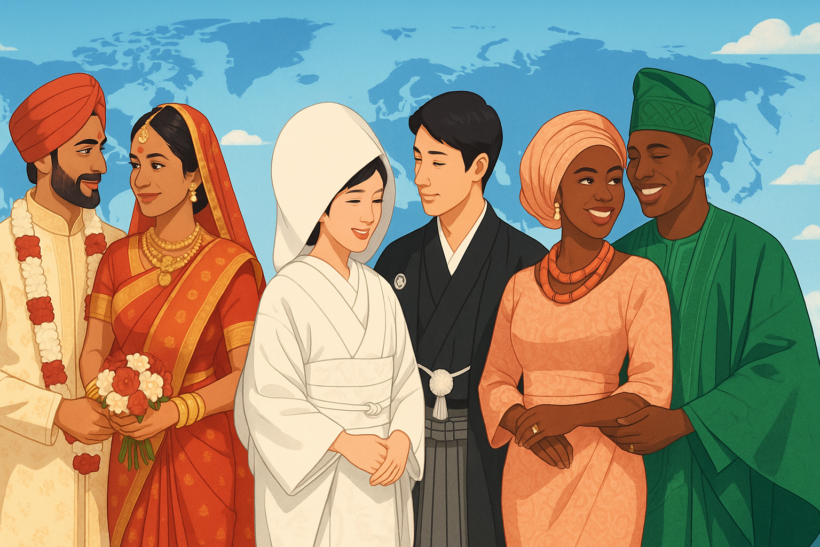
Indian weddings are known for their vibrant colors and elaborate rituals. The Saptapadi, or the seven steps, is a crucial part of Hindu weddings. The couple takes seven steps around a sacred fire, each step symbolizing a vow that both partners make to each other.
From my attendance at an Indian wedding in Rajasthan, I learned how familial involvement shapes these events, with relatives playing key roles, such as the Haldi ceremony where turmeric paste is applied to the couple for blessing and purification.
For more insights into the meaning behind these rituals, consider looking into Indian Wedding Traditions.
Japan: Simplicity and Tradition
Japanese weddings may vary from Shinto ceremonies with traditional kimonos to modern Western-style services. In Shinto ceremonies, the bride and groom exchange sake in a ritual known as San-San-Kudo, symbolizing the union of the couple and their families.
My experience attending a wedding in Kyoto taught me about the importance of community, where guests participate in the ceremonial procession to honor family heritage.
Africa: A Mosaic of Cultures
Nigeria: A Celebration of Unity
Nigerian weddings are often large and vibrant, marked by symbolic gestures such as the money spray, which signifies prosperity. The traditional attire is richly colorful, illustrating the diversity of Nigerian cultures.
One interesting wedding I attended in Lagos highlighted the engagement ceremony, where families playfully negotiate the bridal price amidst cultural songs and dances, showcasing the intertwining of family and festive celebration.
Kenya: A Blend of Modernity and Heritage
Kenyan weddings often mix modern elements with traditional practices. Among the Maasai, a common practice includes mystical rituals like the blessing with milk, symbolizing purity and devotion. It reflects the deep connection to agricultural practices and community values.
Europe: Diverse Identities
Scotland: Tradition in Tartans
Scottish weddings are steeped in tradition, often featuring kilts and bagpipes. The Handfasting ceremony, where the couple’s hands are bound with a tartan, symbolizes unity. In my attendance at a wedding in Edinburgh, the blend of medieval customs with modern elements provided a unique glimpse into Scotland’s rich heritage.
Read more about the cultural significance of tartans and Scottish traditions here.
Italy: Romance and Ritual
In Italy, La Tarantella dance captures the essence of celebration at weddings. The dance’s roots lie deep in Southern Italian traditions, and participation symbolizes joy and unity. My firsthand experience in Naples showcased how communal activities strengthen the bonds among guests and hosts alike.
Americas: Melting Pot of Customs
USA: Fusion of Cultures
American weddings often blend traditions from different backgrounds. A notable tradition is the “jumping the broom” practice, rooted in African American heritage, symbolizing the sweeping away of old sins and a new beginning. At a wedding in New Orleans, I witnessed this act embraced within a jazz-filled celebration, a true embodiment of cultural synthesis.
Mexico: Vibrancy Meets Tradition
Mexican weddings are vibrant affairs filled with music and dance. The “Lasso” ceremony, where a rope is placed around the couple in a figure eight, symbolizes eternal love and unity. The music often features traditional Mariachi bands, enveloping the wedding in an atmosphere of joy and cultural pride.
Why Understanding Wedding Customs Matters
Wedding traditions represent more than personal union; they encapsulate the history and values of a culture. By understanding these customs, we bridge gaps and create opportunities for cross-cultural appreciation and respect. As someone who loves exploring cultural festivals and traditions, I find learning about these customs enriches our global awareness.
What is the significance of wedding customs?
Wedding customs encapsulate cultural heritage, values, and history. By observing these traditions, one gains insight into the societal norms and family structures of different civilizations. From blessing rituals to communal dances, each element plays a role in highlighting the importance of family and community within cultural contexts.
How do wedding customs vary across cultures?
Each culture infuses its own unique elements into wedding ceremonies. For instance, the use of colors, clothing, and rituals can vary drastically. Indian weddings might focus on the symbolic Saptapadi, whereas Scottish weddings might emphasize tartan and bagpipes.
How can couples incorporate cultural traditions in their own weddings?
Couples looking to incorporate cultural elements can research the traditions of their ancestry and include meaningful rituals or symbols. A consultation with family elders or cultural experts can provide deeper insights and ensure respectful and accurate representation of the traditions.
What role does family play in cultural wedding ceremonies?
Family plays a crucial role in most cultural wedding ceremonies, often being involved in planning and executing various rituals. From negotiating bride prices to conducting blessings, families reinforce cultural values and ensure the passing of traditions to future generations.
Conclusion
Wedding customs around the world offer a window into the diverse cultural landscapes that define humanity. They are celebrations that unify not just the couple but their families and communities, carrying forward age-old traditions. Whether you’re a couple planning a unique wedding or a curious cultural enthusiast, understanding these customs enriches our appreciation of global diversity.
Author Note: I’m a cultural enthusiast and writer with years of experience in exploring and documenting family traditions and cultural festivals worldwide. My passion lies in uncovering the stories and symbolism held within these practices, helping others appreciate the deeper connections they foster.