
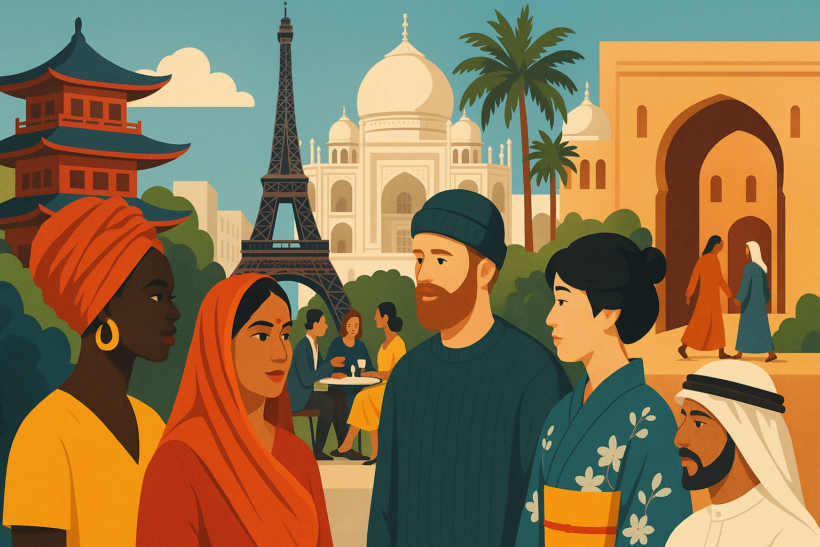
Exploring Global Lifestyles and Cultural Diversity: How Different Countries Shape Human Behavior
In a rapidly globalizing world, the diverse lifestyles and cultural norms of different countries can provide profound insights into human behavior. As someone deeply engrossed in human geography and cultural diversity, I’ve witnessed firsthand how these elements shape societies in distinct ways.
- Understanding Cultural Diversity
- Cultural Influence on Lifestyles
- Case Studies Around the World
- Common Misunderstandings
- The Future of Global Lifestyles
Understanding Cultural Diversity
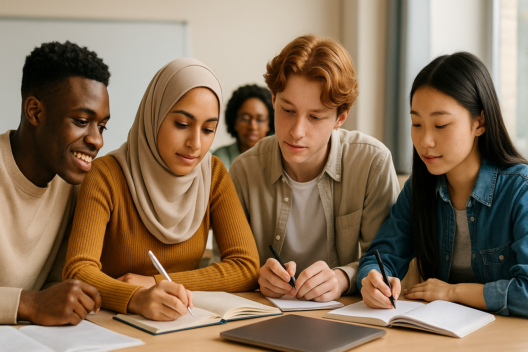
Cultural diversity refers to the existence of a variety of cultural or ethnic groups within a society. It’s much more than differences in language or food—it’s about different ways of living, perceiving the world, and community structuring.
Why Culture Matters
Culture influences everything from social norms to communication styles. In Japan, for example, the emphasis on collectivism over individualism profoundly affects workplace dynamics. This cultural aspect emphasizes team harmony, contrasting significantly with the individualistic culture often seen in Western countries such as the United States.
Exploring Styles Across Cultures
From architecture to fashion, environmental adaptation shapes cultural expressions. Consider Scandinavian countries, where harsh winters influence clothing styles and home designs—both are geared towards energy efficiency and warmth.
Societies across the globe adapt in unique ways, informed by their respective cultural tapestries, contributing to an array of lifestyles that shape human behavior.
Cultural Influence on Lifestyles
Lifestyles are ways of living that reflect cultural identity and personal choices. They manifest in daily routines, food habits, and even socializing patterns, all of which are heavily shaped by cultural contexts.
Daily Routine and Social Norms
Consider the daily routine of siesta in Spain. This midday break is a cultural staple, reflecting a lifestyle that prioritizes balance between work and rest—something that contrasts with the hustle culture prevalent in many other countries.
Food Cultures: A Tangible Cultural Expression
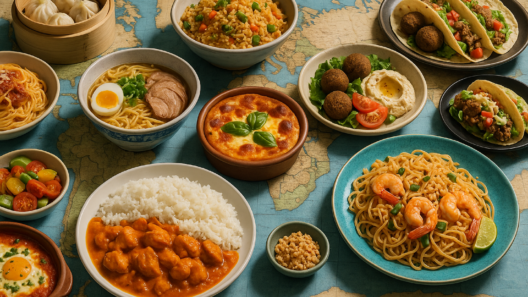
Food is pivotal in expressing cultural identity. In Italy, meals are more than sustenance; they are communal events, an art form passed down through generations. This tradition contrasts with the fast-food culture that prioritizes convenience over culinary heritage.
Case Studies Around the World
To fully grasp the value of cultural diversity, it’s essential to look at practical examples. Let’s explore how cultural norms shape lifestyles and behaviors in various countries.
India: A Blend of Tradition and Modernity
In India, cultural diversity manifests in a blend of traditional practices and modern advancements. Festivals like Diwali showcase centuries-old traditions alongside contemporary interpretations. This coexistence shapes the multi-layered societal structure.
| Country | Cultural Aspect | Impact on Lifestyle |
|---|---|---|
| Japan | Collectivism | Teamwork-oriented workplaces |
| Spain | Siesta Tradition | Balanced work-rest cycle |
| India | Festivals | Fusion of tradition and modernity |
Common Misunderstandings
Despite the celebration of cultural diversity, misunderstandings often arise due to stereotypes or lack of exposure. Acknowledging these misconceptions is crucial for fostering a more inclusive global community.
Stereotypes and Reality
Stereotypes often stem from oversimplified views. For example, the idea that all Asians excel in academics overlooks individual capabilities and the diversity within Asian communities itself.
Bridging Cultural Gaps
Encouraging intercultural dialogue is key to overcoming misunderstandings. Educational programs and cultural exchange initiatives can facilitate deeper understanding and appreciation of different lifestyles across cultures.
The Future of Global Lifestyles
As we continue to globalize, the confluence of cultures promises an even richer tapestry of human expression. Technology and increased mobility play pivotal roles in shaping these new cultural landscapes.
Digital Globalization
The rise of digital platforms means cultural exchange occurs at an unprecedented pace. Social media allows individuals to share their lifestyles globally, influencing and being influenced simultaneously, resulting in hybrid cultural identities.
Sustainability: A Universal Lifestyle Goal
With growing awareness of climate issues, many cultures coalesce around sustainable living practices. This shift towards sustainability is increasingly common across diverse continents, reinforcing that despite cultural differences, global challenges require a united effort.
Celebrating Multiculturalism
The future encourages embracing diverse identities. More workplaces value multicultural teams for their different perspectives, which can drive innovation and empathy in business practices.
Embracing cultural diversity not only enriches our lives but also fosters a deeper understanding of the human experience itself. The unique lifestyles around the world provide a profound lens through which to examine our shared human journey.
FAQ: Understanding Cultural Differences
How do cultures influence behavior?
Culture shapes behavior by providing norms that dictate acceptable actions. These norms can affect everything from communication styles to conflict resolution approaches. For example, cultural emphasis on respect for elders in Korea influences youth behavior towards authority figures.
What is the impact of globalization on cultural diversity?
Globalization facilitates cross-cultural exchanges, increasing awareness and appreciation of other cultures. However, it can also lead to cultural homogenization, where unique cultural traits may be absorbed into a dominant global culture.
Can cultural understanding aid international business?
Yes, understanding cultural differences can significantly enhance international business strategies. Companies that adapt their marketing or negotiation strategies to fit cultural contexts often find greater success. Being culturally aware helps in building strong, respectful partnerships.
What role does technology play in cultural exchange?
Technology accelerates cultural exchange, making it easier to share ideas and lifestyles globally. Platforms like social media enable more accessible cultural interactions, allowing individuals to participate in diverse cultural experiences from anywhere in the world.
How can one develop cultural empathy?
Cultural empathy develops through exposure and education. Participating in cultural workshops, learning languages, or engaging in travel experiences can deepen understanding. Listening to diverse narratives and acknowledging different cultural histories also fosters empathy.
Conclusion
Understanding global lifestyles and cultural diversity not only enriches personal experiences but is crucial for navigating a connected world. By appreciating the rich tapestries formed by different countries and their unique ways, we contribute to a dynamic, empathetic global community.
My journey through various cultures has taught me that while differences set us apart, they also bring us together in a shared endeavor: the pursuit of mutual respect and learning. As readers of Zynomo, you’re already engaged with this global tapestry. Let’s continue exploring these diverse worlds, sharing insights and experiences along the way.