


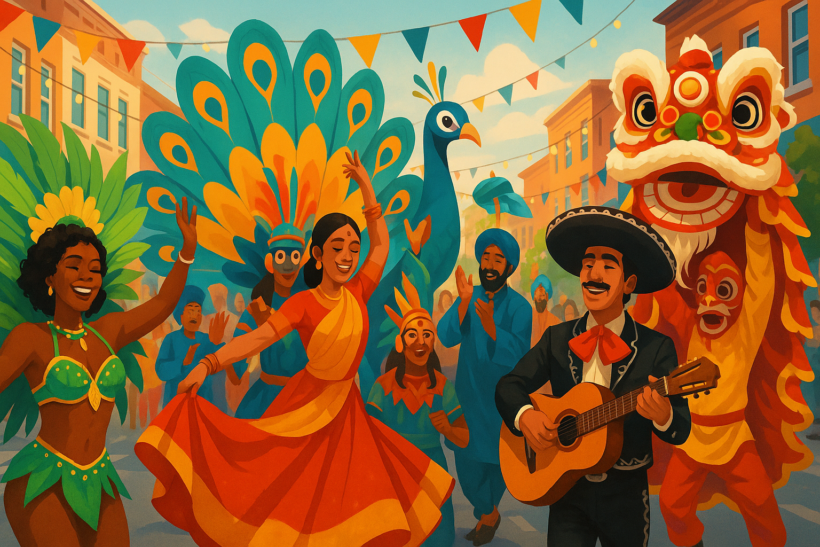
Cultural festivals are vibrant displays of heritage and tradition. They offer a glimpse into the history and values of societies. Whether you’re celebrating Diwali with fireworks or dancing in the streets during Rio’s Carnival, these festivals are more than just communal gatherings—they are living, breathing stories passed down through generations.
- Introduction
- Origins of Chinese New Year
- History of Diwali
- Carnival in Rio de Janeiro
- Significance of Thanksgiving
- Frequently Asked Questions
- Conclusion
Introduction
For those at Zynomo.com, understanding the significance of cultural festivals goes beyond mere celebration. It’s about bridging communities and understanding the family traditions that shape them. Let’s explore the origins of some renowned festivals and understand what makes them so special.
Origins of Chinese New Year
Chinese New Year, also known as the Spring Festival, marks the beginning of the lunar new year. It is steeped in legend, starting with the story of Nian, a monster who came out on new year’s eve and was driven away by villagers using firecrackers and red decorations.
Historically, it’s a time for families to honor deities and ancestors, echoing deeply-held beliefs in respect and familial duty, which have been part of Chinese culture for centuries. Each year is associated with one of the twelve animals in the Chinese zodiac, adding a unique flavor to the celebration.
Celebration Practices
During the festivities, families gather for a reunion dinner, a sumptuous feast featuring dishes like dumplings and sticky rice cakes. The shared meal symbolizes unity and prosperity for the new year. What I’ve learned from attending family gatherings during the festival is the importance of togetherness and reflection—a common theme across many cultures.
History of Diwali
Diwali, the Festival of Lights, is celebrated by millions across India and beyond. Its origin lies in the return of Lord Rama to Ayodhya with Sita and Lakshman after a 14-year exile, as chronicled in the epic Ramayana.
Symbolism and Traditions
More than just lighting lamps, Diwali represents the triumph of good over evil and knowledge over ignorance. Candles and lamps are traditional, showcasing a commitment to inner light and clarity. Historically, this has also been a time to renew family bonds and make new beginnings.
From my experience visiting a family in Rajasthan, the preparation for Diwali includes cleaning homes, buying new clothes, and preparing a plethora of sweets, emphasizing renewal and change.
Carnival in Rio de Janeiro
The Rio Carnival is a week-long fiesta that has captured the world’s imagination with its vibrant parades and samba rhythms. Rooted in the Catholic tradition of Carnival before Lent, it’s an expression of joy and abandon before the period of fasting.
Historical Background
The evolution of Rio’s Carnival is a testament to Brazil’s rich cultural tapestry. Originally brought over by Portuguese settlers, it has since evolved, influenced by African, Indigenous, and Caribbean cultures. At its core, it’s about community, with samba schools preparing for months in advance to compete in the parade.
| Aspect | Description |
|---|---|
| Origins | Catholic tradition, pre-Lenten festivities |
| Influences | African, Indigenous, Caribbean cultures |
| Significance | Community, cultural expression |
Significance of Thanksgiving
Thanksgiving, primarily observed in the United States and Canada, is a day set aside for gratitude. However, its roots go back to the early 1600s when Pilgrims and Native Americans came together to share a harvest meal.
Traditions Through Time
Though it began as a harvest celebration, Thanksgiving today is about family gatherings and sharing abundance. Traditional dishes such as turkey and pumpkin pie harken back to that original feast. Yet, the evolution of this day also includes challenges of inclusion and the ways in which its history is taught and remembered. My visit to a Thanksgiving meal in Boston opened my eyes to how varied and personalized this holiday can be, from vegetarian options to global dishes on the table.
Frequently Asked Questions
What makes cultural festivals significant?
Cultural festivals are significant because they preserve heritage, foster community, and provide an opportunity for families to bond over shared traditions. These events are not just about celebration, but also about identity and continuity.
How do family traditions play a role in these festivals?
Family traditions are integral to festivals, offering consistency and meaning across generations. They are the customs that families cherish and pass down, ensuring that the essence of the festival remains unchanged while adapting to modern times.
Are cultural festivals the same worldwide?
While many festivals have similar themes of celebration and remembrance, each has unique practices and significance reflective of the culture it originates from. This diversity enriches global understanding and cultural appreciation.
Why are these festivals celebrated annually?
Annual celebrations of cultural festivals ensure the preservation of traditions and provide regular opportunities for reflection, gratitude, and connection. These cycles are vital for cultural perpetuation and social cohesion.
Conclusion
The origins of famous cultural festivals reveal much about humanity’s shared history and diversity. From fireworks and feasts to parades and prayers, each festival has a rich narrative that reflects the core values of the communities that celebrate them. At Zynomo.com, we believe in the power of story and tradition—a belief that each of these festivals embodies through its own unique pageantry and practice.