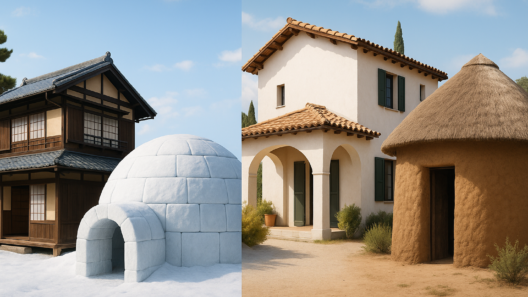



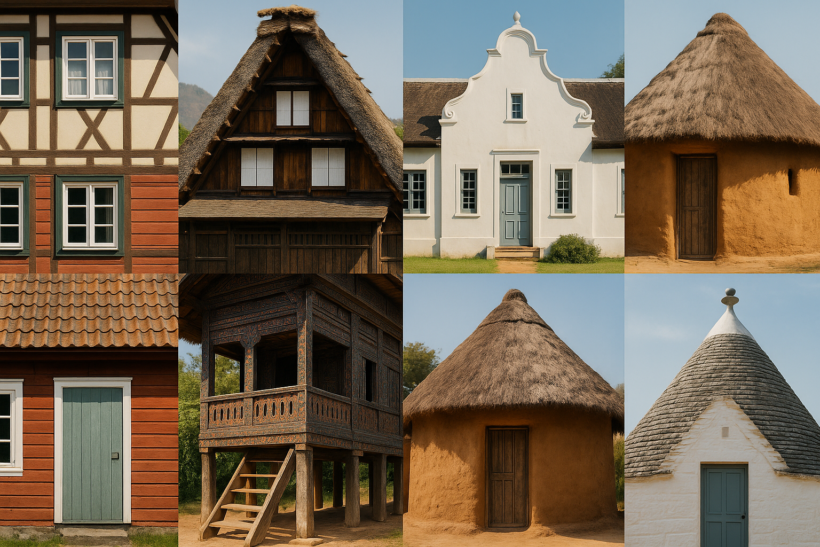
Have you ever wondered why homes look so different around the world? From igloos in the Arctic to floating homes in Vietnam, housing styles reflect a rich tapestry of cultural identity, climate adaptation, and social structure. Understanding these unique housing styles can reveal a great deal about how architecture shapes human behavior and cultural values.
- The Importance of Housing Design
- Housing Styles in Different Climates
- Cultural Significance of Architecture
- How Architecture Influences Behavior
- Innovative Architectural Trends
- FAQs
Given the diverse climates and cultural contexts across the globe, the design and structure of housing play crucial roles in historical context and modern lifestyles.
The Importance of Housing Design
Housing design is fundamental, not just for shelter but also in predicting interactions within spaces. Consider traditional Japanese homes with sliding panels and tatami mats. The minimalist approach prioritizes open spaces, influencing social interaction within the home. Such designs focus on multipurpose functionality, reflecting a cultural emphasis on harmony and balance.
Case Study: Courtyard Houses in Beijing
Courtyard houses in Beijing are an exemplary model illustrating the integration of outdoor living within urban settings. Often built with symmetry and a central courtyard, these homes foster family gatherings while providing privacy and natural ventilation. The courtyard serves as a cultural hub where families celebrate festivals and engage in day-to-day activities. This style, known as Siheyuan, reflects the deep familial ties in Chinese culture [source].
Housing Styles in Different Climates
Climate plays a significant role in shaping architectural design. In hot and arid regions, like the Middle East, homes are built with courtyards and thick walls to cool interiors. In contrast, Nordic designs feature steep roofs to deal with snowloads, reflecting a need for thermal efficiency.
Example: Tropical Houses in Bali
Bali, known for its idyllic landscapes, showcases housing that embraces the natural environment. Balinese homes, often open-air and crafted from local materials like bamboo and thatch, blend seamlessly into their surroundings. This design choice not only ensures adequate air flow in humid climates but also exemplifies an eco-friendly approach that respects natural landscapes.
Design Considerations: Adapting to Environment
Understanding the climate’s impact on housing can offer insights into sustainable living practices that maximize resources. For instance, homes in the Netherlands often feature large windows to maximize natural light, counterbalancing long, gray winters.
Cultural Significance of Architecture
Architecture acts as a cultural storyteller, embedding historical and social narratives within its structures. Let’s explore how some unique styles paint a living picture of cultural evolution.
Traditional Igloos: Aspiring Resilience
In the Arctic, igloos serve as a testament to indigenous ingenuity. Built from blocks of snow, these habitats preserve warmth through thermal insulation, mastering the frigid environment. Igloos provide insights into the resourcefulness required in extreme conditions.
Vernacular Architecture in Ghana
Ghanaian homes made from earth compounds reflect local traditions blended with practical solutions tailored for the tropical climate. These structures illustrate traditional craftsmanship while adapting to modern needs. They stand as a reminder of the importance of maintaining cultural heritage [source].
How Architecture Influences Behavior
Architectural design can impact human psychology, influencing behavior patterns and social interactions. The design of living spaces can either foster connectedness or solitude, depending on the intended occupancy and societal context.
Living Spaces: Shaping Family Dynamics
In tightly-knit communities, often seen in Mediterranean countries, architecture centers around communal living spaces that enhance social bonds. Contrastingly, American suburbs display an emphasis on individualism and private space.
The Psychological Impact of Open-plan Living
Modern open-plan designs encourage interaction amongst occupants but can also lead to challenges such as noise and lack of privacy. Balancing these elements is crucial in designing livable spaces.
| Country | Typical Housing Style | Cultural Influence |
|---|---|---|
| Japan | Minimalist, Tatami | Harmony and Balance |
| China | Courtyard Houses | Family and Community |
Innovative Architectural Trends
With urban spaces growing increasingly complex, innovative architectural trends are crucial in addressing contemporary challenges. From sustainable building materials to smart home technology, adaptations accelerate globally.
Trend: Eco-friendly Settlements
Eco-friendly designs are quickly becoming a priority. Pioneering cities are integrating green roofs and solar panels, which reduce urban heat and harness renewable energy. These innovations are transforming urban landscapes into sustainable havens.
Future Insight: Smart Homes and Technology
As society advances, so do architectural designs. Smart homes that employ IoT for enhanced living experiences are commonplace. This movement towards technology-driven environments is redefining comfort and convenience in housing.
FAQs
What influences housing styles around the world?
Housing styles are primarily influenced by climate, cultural practices, available resources, and socioeconomic factors. Each region adapts its architecture to cater to environmental challenges and local traditions.
Why are housing designs important in human interaction?
Design determines spatial dynamics and social interactions within a home. For example, open layouts foster togetherness, while segmented spaces may prioritize privacy and individual activities.
How do modern architectures reflect cultural evolution?
Modern architecture often reflects an amalgamation of traditional design and adaptive technology, showcasing evolution while respecting heritage. It highlights a society’s priorities and technological advancements.
Are there sustainable trends in global architecture?
Yes, many global architectural trends focus on sustainability, incorporating elements like eco-friendly materials, energy-efficient systems, and smart technology to minimize environmental impact.
Conclusion
Exploring the myriad architectural styles across the globe offers invaluable insights into the cultural and environmental forces at play. From the thermal efficiency of igloos to the communal spaces of courtyard houses, each style provides a unique perspective on how humans can interact with their environment and with each other. By understanding these differences, we can appreciate the intricate balance between architecture, culture, and human behavior.