



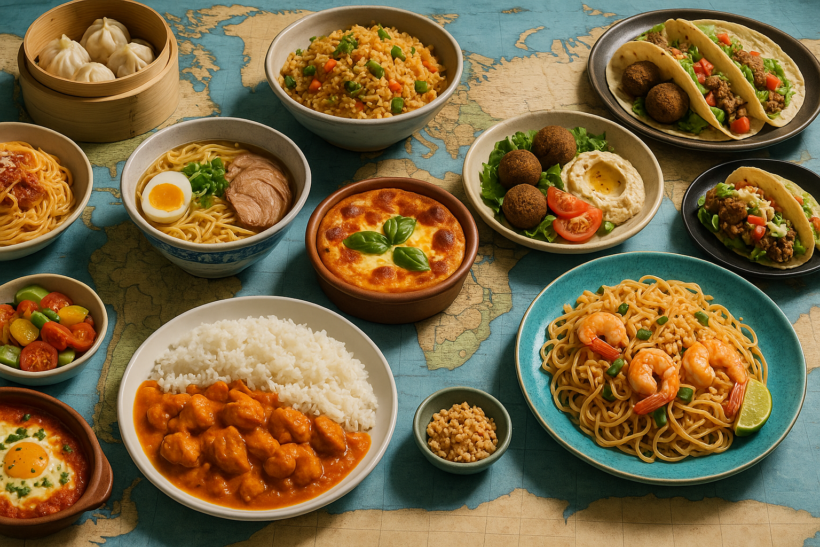
Why Eating Habits Vary Around the World
The culinary traditions and eating habits of a region are more than just about food; they provide a window into the history, geography, economics, and cultural mores of its people. From the communal dining customs of Ethiopia to the fast-paced eating style of New York City, the way people eat reflects a blend of environmental factors and social norms. In this article, we dive into why eating habits vary around the world and how they shape human behavior.
- Geographical Influence on Eating Habits
- The Role of Cultural Traditions
- Impact of Societal Structure and Economy
- Health Perspectives and Dietary Choices
- Effects of Globalization
- FAQ
Geographical Influence on Eating Habits
Geography plays a pivotal role in shaping the cuisine of a region. For a vivid example, consider the Mediterranean diet, whose emphasis on olive oil, fish, and fresh vegetables stems from the agricultural richness of Southern Europe. Factors like climate and topography directly affect what’s readily available, influencing the staples of regional diets.
Take Japan, surrounded by ocean, where seafood is a significant part of the diet. Similarly, in landlocked Mongolia, meat and dairy products dominate due to the vast steppes ideal for grazing livestock.
Another consideration is how geography influences cooking methods. In areas where energy resources are scarce, like rural India, people might resort to solar cooking or low-energy methods such as slow-cooking in clay pots.
The Unique Case of Desert Cultures
In desert regions, diets often reflect a scarcity of resources. The Bedouins, for example, rely on dates, camel milk, and preserved grains, foods that are sustainable in an arid environment. This illustrates how geography necessitates the cultivation of certain adaptabilities in diet.
How Resource Availability Drives Innovation
Resource challenges can spur culinary innovation. The Nordic countries utilize preservation methods like fermentation and curing to extend the shelf-life of ingredients during long winters, leading to unique flavors and food cultures.
The Role of Cultural Traditions
Cultural customs and religion are essential in defining eating habits. For example, in Japan, the tea ceremony is a calculated, spiritual exercise that reflects the country’s emphasis on ritualistic dining. In contrast, the lively, communal tapas culture in Spain highlights the Mediterranean focus on social dining experiences.
Rituals and Meaningful Meals
In many Muslim countries, eating is a deeply spiritual act, especially during Ramadan, where fasting and subsequent communal meals characterize the holy month. These rituals foster communal bonds and a sense of shared experience.
Culinary Integration in Multicultural Societies
In nations with significant immigrant populations, such as the United States, eating habits often reflect a blend of culinary traditions, leading to fusion cuisines like Tex-Mex that combine flavors and techniques from multiple heritages.
Impact of Societal Structure and Economy
Socioeconomic status and societal norms can deeply influence dietary choices. In wealthier societies, there is often a greater emphasis on organic and health-focused foods. Conversely, in developing countries, diets might be more reliant on starchy staples and inexpensive protein sources.
The Trend of Urbanization
Urbanization significantly transforms eating habits. Fast-paced city life encourages the rise of convenience foods and dining out. In cities like Tokyo and Paris, bustling street food scenes provide affordable and quick eating options for busy dwellers.
Economic Disparities and Food Accessibility
Economic inequality creates distinct dietary divisions. For example, high meat consumption in wealthier demographics contrasts sharply with grain-based diets in lower-income classes within the same countries.
Health Perspectives and Dietary Choices
Health and wellness trends have a profound impact on what people eat. Increasingly, global awareness around sustainability and health is fostering a plant-based revolution, shifting traditional eating patterns even in cultures that traditionally consume a lot of meat.
The Mediterranean diet, hailed for heart health benefits, has become a gold standard referenced in health studies globally. Moreover, the rise of diet-related noncommunicable diseases (NCDs) has guided many public health policies, pushing for increased vegetables and reduced sugar intake.
The Rise of Functional Foods
Functional foods, such as probiotics found in yogurt or omega-3 rich fish oils, are surging in popularity worldwide, pushing societies towards health-optimized dining approaches.
Traditional Health Remedies and Food
Cultures with a long heritage of traditional medicine, like China and India, often integrate health-boosting attributes into their cuisine, employing herbs and roots with medicinal properties in everyday dishes.
Effects of Globalization
Globalization has seen the fusion and expansion of culinary styles across borders. It’s not uncommon to find sushi bars in Nairobi or Italian trattorias in Seoul. This cultural exchange introduces diversity but can also threaten unique local food traditions.
The spread of American fast food globally is a clear example of globalization’s impact. While popular for its convenience and taste, it raises concerns about promoting unhealthy eating habits.
The Rise of Global Culinary Fusion
Fusion cuisine epitomizes globalization, whereby chefs are willing to blend ingredients and techniques from different corners of the globe, creating innovative dishes that cross cultural boundaries.
However, there’s a burgeoning movement of ‘glocalization’, where global dishes are adapted to meet local tastes. For instance, McDonald’s in India has localized its menu to feature McAloo Tikki burgers and paneer wraps to cater to vegetarian consumers.
FAQ
How does religion influence eating habits?
Religion often dictates what is permissible to eat and shapes meal preparation and consumption rituals. For instance, Hindus may abstain from beef, and Jewish dietary laws require food to be kosher.
Why do food preferences change with global travel?
As people are exposed to new cultures, their palates adapt, incorporating diverse flavors and textures they may have not previously experienced. Travel broadens taste horizons, promoting an acceptance of foreign dishes.
How can globalization affect local eating habits?
While globalization can introduce variety, it also risks homogenizing diets, pushing people towards global brands and away from traditional, locally-sourced foods.
What role does economics play in food choices?
Economic factors drive food accessibility and choice. Wealth often allows greater variety and quality, while budget constraints lead to more cost-effective but possibly less nutritious options.
Concluding Thoughts
To understand eating habits globally requires recognizing the intricate tapestry of geography, culture, economics, health, and globalization. These factors intricately define and continuously reshape what’s on our plate. Appreciating these influences not only deepens our understanding of global cultures but enriches our own dining experiences.