

How Geography Shapes Human Behavior: Styles Across Cultures
Our fascinating world is intricately divided by geography, influencing cultures, behaviors, and lifestyles. In this in-depth exploration, we delve into how geography profoundly impacts human behavior differently across various regions and countries. Readers on Zynomo.com who appreciated our insights on cultural communication differences and global work styles will find this particularly engaging as it complements our existing discussions on cultural diversity.
- Impact of Physical Environment
- Cultural and Social Dynamics
- Geographic Barriers in Communication
- Economic Geography and Lifestyles
- Adapting to Geographic Changes
- Frequently Asked Questions
Impact of Physical Environment
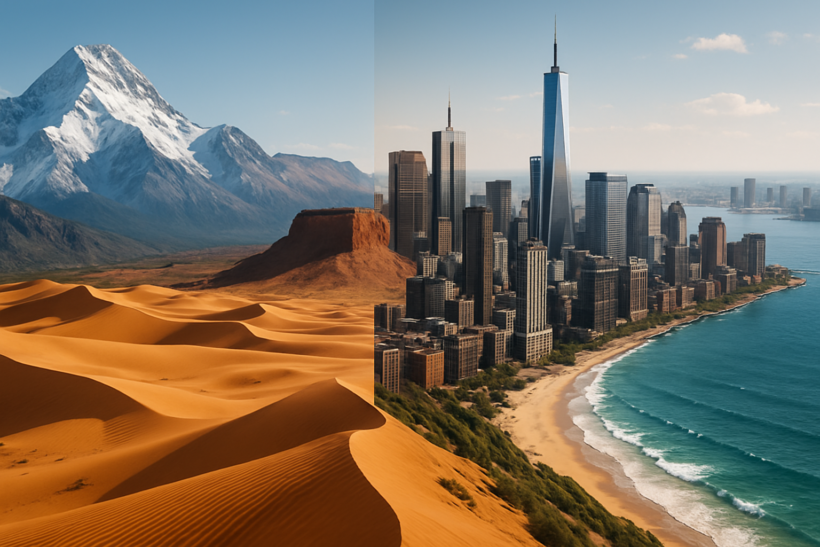
The physical environment where we reside significantly affects our daily behaviors and lifestyle choices. For instance, individuals living in mountainous regions, such as the Andes or Himalayas, develop resilient lifestyles due to harsh weather and challenging terrains. Here, social structures often emphasize interdependence and community support over individualism.
Contrastingly, regions like the Great Plains in the United States have fostered behaviors rooted in individual self-sufficiency, owing to vast open spaces conducive to farming and ranching. This example exemplifies how geography plays a pivotal role in molding societal values and customs, as spaces determine available resources and community needs.
Climate Influence on Behavior
Climate is another geographical factor intricately linked to human behavior. In Mediterranean countries, warm climates encourage outdoor social gatherings, influencing more extroverted public behaviors. By contrast, colder climates, such as in Scandinavia, foster indoor activities, leading to subtle but impactful lifestyle differences.
- Consider Finland, where colder weather has birthed communal sauna traditions, becoming a core social activity and a place of reflection and connection.
- In contrast, Brazilian culture, influenced by its tropical climate, prioritizes outdoor festivals and beach parties, reflecting sociability and vibrant communal interactions.
Cultural and Social Dynamics
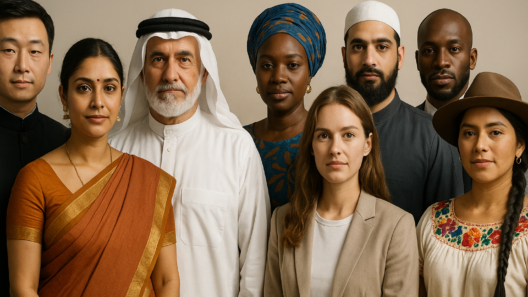
Geography shapes cultural dynamics and, subsequently, human behavior through traditional practices and social constructs. The diversity of languages, societal norms, and ethical beliefs predominantly arises from the geographical isolation and exposure of various groups.
Japan, surrounded by the sea, developed a culture deeply respectful of nature, leading to behaviors characterized by courtesy and environmental awareness. This contrasts with continental countries like Germany, where interactions are framed by efficiency and direct communication rooted in broader European cultural networks.
Religion, too, shaped by geographic origins, heavily influences cultural practices. The predominantly Buddhist regions practice meditation and harmony, while Western countries with Christian influences focus on community charity and individual freedom.
Role of Isolation and Migration
One cannot overlook how geographic isolation due to mountains or water bodies has given rise to distinct cultural enclaves, leading to unique societal behaviors. Japan is a prime example, maintaining distinct cultural identities due to its insular nature.
On the contrary, regions like Europe have historically been cradles of migration. The fusion of migrations has led to diverse cultural intermixing, producing multifaceted social behaviors that include openness and adaptability.
Geographic Barriers in Communication
Physical geography can either obstruct or facilitate communication, subsequently shaping behavior in societies worldwide. Mountainous terrains and expansive deserts act as barriers, limiting interaction and fostering distinct dialects and cultures.
For example, the rugged terrain of Greece once led to the formation of isolated city-states, each with unique languages and cultural habits. Conversely, the Nile River facilitated transportation and communication in Ancient Egypt, leading to integrated cultural development and governance.
Technological Evolution and Bridges
Modern technology, however, is bridging these barriers, altering geographical impacts on behavior. Satellite communication and internet increase global exposure, yet traditional behaviors may persist in certain isolated regions.
Rural communities in remote parts of Africa and Asia, despite technological connectivity, often maintain traditional lifestyles, reflecting localized customs and resisting external cultural tides.
Economic Geography and Lifestyles
Economic geography directly shapes living standards and behaviors within human societies. Strategic geographic locations facilitate trade and prosperity, leading to diverse cultural influences and sophisticated lifestyles. Singapore and Hong Kong exemplify the impact of advantageous geography on economic growth and cultural diversity.
The contrast is evident in landlocked countries such as Laos, where economic restrictions impact lifestyle choices significantly. These regions often rely on agriculture as the mainstay, influencing more traditional, collectivist societal structures compared to cosmopolitan urban centers.
Urbanization and Behavioral Shifts
As cities expand, economic opportunities arise, leading to behavior changes associated with urban living. Fast-paced urban centers contrast with rural communities, where slower lifestyles foster stronger communal ties and simpler living.
For instance, the transformation of Shanghai over recent decades highlights how rapid urbanization can lead to shifted cultural practices, increased pressure on resources, and new behaviors focusing on efficiency and innovation.
Adapting to Geographic Changes
Geography is not static, and populations continually adapt to changes in their environment. Climate shifts, natural disasters, and artificial developments like dams and deforestation influence human habitat changes and behaviors.
Consider the Netherlands, where pioneering flood control measures are integral to Dutch resilience and ingenuity. This adaptability is a testament to human ingenuity shaping behavior around environmental challenges.
Environmental Challenges and Innovations
Regions like California face wildfires and droughts regularly, prompting innovations in water conservation and disaster planning. Here, behaviors are shifting towards sustainability and protective legislation to mitigate environmental risks.
Frequently Asked Questions
How does geography impact cultural development?
Geography impacts cultural development by dictating resource availability, dictating social structures, and influencing external interactions. This results in diverse cultures globally, each adapted to their unique environments, forming distinct societal norms.
What role does technology play in overcoming geographic barriers in behavior?
Technology helps overcome geographic barriers by enhancing communication and access to global information. This connectivity encourages cultural exchange and shifts, although traditional practices may persist in resistant or isolated communities.
Can geographic changes influence long-term human behavior?
Yes, geographic changes like climate variations and natural disasters can have lasting impacts on human behavior, prompting adaptive strategies in lifestyle, economy, and societal structures to cope with these environmental challenges.
Why do some cultural behaviors persist despite technological advancements?
Cultural behaviors often persist due to deep-rooted traditions, identity, and social cohesion that resist rapid changes. While technology can bridge geographic divides, cultural identity strengthens through these historical practices.
Conclusion
Understanding how geography shapes human behavior unravels the complex tapestry of cultural diversity and adaptability. Geographical factors not only dictate our lifestyles and societal norms but also challenge our resilience and ingenuity in an ever-changing world. For the culturally curious readers at Zynomo.com, grasping these insights fosters a deeper appreciation of global diversity and adaptability.