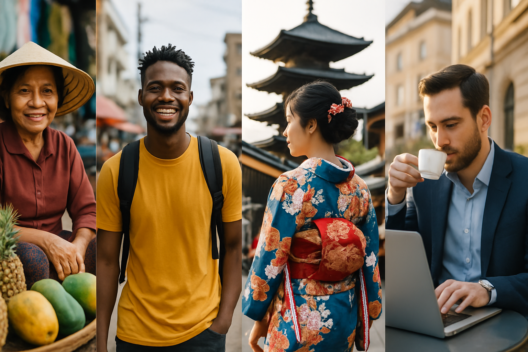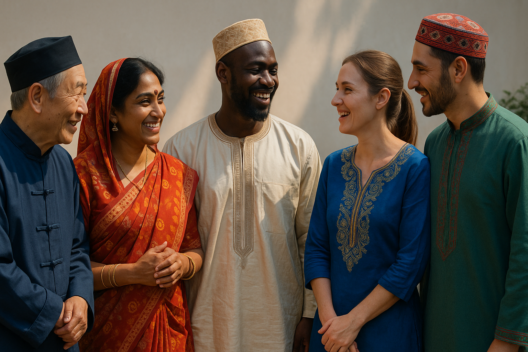



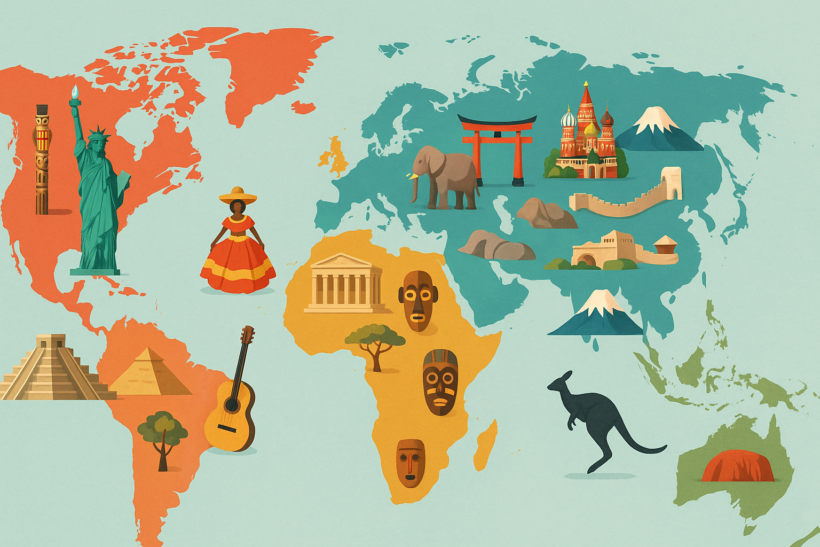
Understanding how culture influences human behavior across countries is vital for appreciating the diversity of our world. Each culture creates unique ways of living, working, eating, and building communities, shaping not only individual behaviors but societal practices as well. This article dives into how different cultures contribute to shaping human behavior, drawing on examples from a variety of countries.
- Introduction
- Lifestyles and Daily Habits
- Work Environments and Professional Norms
- Culinary Traditions and Eating Practices
- Communication Styles and Social Interactions
- Community Building and Social Structures
- Frequently Asked Questions
- Conclusion
Introduction
Cultures across the globe influence human behavior in many ways, shaping everything from lifestyle choices to communication styles and community dynamics. Understanding these cultural nuances can enhance global interactions and deepen appreciation for diversity. As we explore different countries and their cultures, we’ll also uncover how these elements influence individual and collective behavior.
Lifestyles and Daily Habits
Culture significantly impacts daily routines and lifestyle choices. In Japan, you’ll find a strong emphasis on punctuality and discipline, reflected in their efficient public transportation and rigorous work schedules. In contrast, Spanish siestas highlight a more relaxed pace, allowing for balanced work and personal time.
Having lived in Japan for several years, I’ve witnessed firsthand how societal expectations of discipline and respect manifest in everyday actions, from bowing as a sign of politeness to the meticulous organization of public spaces. These practices promote a sense of communal responsibility and harmony.
Understanding Global Lifestyles
Each culture’s lifestyle is shaped by its history, climate, and values. For instance, in Scandinavian countries, hygge (a Danish concept of comfort and coziness) reflects their values of well-being and balance, essential for thriving in colder climates.
Practical Insights
When traveling or working in different cultural environments, observe local customs and participate where appropriate. This not only shows respect but enriches your understanding of how daily habits shape societal norms.
Work Environments and Professional Norms
Professional environments are deeply affected by cultural norms. In Germany, the “working environment” is highly structured, with clear hierarchies and time-management strategies that prioritize efficiency. Meanwhile, work-life balance is fiercely protected in countries like the Netherlands, where remote work and flexible hours are common.
Cultural Influence on Work Practices
The emphasis on individual achievement in the United States contrasts with Japan’s focus on teamwork and harmony. This affects everything from career progression to daily interactions with colleagues.
What I Learned
While working in a multicultural team, I’ve encountered various expectations around meeting procedures and decision-making processes. Being open to different perspectives and understanding the underlying cultural motivations can facilitate smoother collaborations and mutual respect.
Culinary Traditions and Eating Practices
Food is a crucial gateway into understanding cultural identity. From French gastronomic meals to Indian spice-rich curries, culinary traditions reveal much about a culture’s history and values.
| Country | Signature Dish | Cultural Significance |
|---|---|---|
| Italy | Pasta | Emphasizes family and tradition |
| Japan | Sushi | Reflects minimalism and seasonality |
| Mexico | Tacos | Celebrates vibrant flavors and community |
Experiencing Culinary Diversity
Tasting global cuisines offers insights beyond the flavors. In Korea, communal dining fosters a sense of unity, while Middle Eastern mezze provides a rich, shared culinary experience that emphasizes generosity.
Key Takeaways
Communication Styles and Social Interactions
Communication is another area where cultural differences manifest prominently. High-context cultures, like those in Asia, rely heavily on non-verbal cues and contextual understanding, whereas low-context cultures, such as the USA, favor direct verbal communication.
Adapting to Communication Styles
While visiting Thailand, I learned the importance of “saving face” and using indirect communication to maintain harmony. This contrasts with my experiences in Canada, where transparency and forthrightness are valued.
Practical Applications
Observing and adapting to the preferred communication style can avoid misunderstandings and build stronger relationships. It’s crucial to pay attention to body language, gestures, and intonation alongside spoken words.
Community Building and Social Structures
Communities are forged through complex social structures that vary widely across cultures. In collectivist societies like China, community identity often takes precedence over individual desires, promoting group harmony and mutual support.
Roles and Relationships
In nations like Nigeria, communities are woven through kinship and extended family systems, whereas individualism in Sweden encourages personal independence within supportive social safety nets.
Learning from Diverse Communities
By understanding how different societies prioritize relationships and roles, one can appreciate diverse community-building strategies that enrich global interactions.
Frequently Asked Questions
How do cultures influence personal identity?
Cultures provide a framework that shapes our values, beliefs, and perceptions, influencing how we perceive ourselves and others. Personal identity is often a reflection of cultural influences through language, traditions, and societal roles.
What are the biggest challenges in multicultural interactions?
Common challenges include miscommunication due to different language norms, misunderstandings of cultural cues, and differing expectations. Being patient and empathetic can bridge these gaps by fostering open dialogue.
How can one effectively learn about another culture?
Immersing oneself in cultural experiences such as travel, cuisine, and language learning are effective. Engaging with cultural exchanges and listening to insiders’ perspectives fosters deeper understanding.
What role does globalization play in shaping cultures today?
Globalization accelerates cultural exchanges, blending traditions and fostering hybrid cultures. While this enriches diversity, it also poses challenges in preserving unique cultural identities amidst widespread influence.
Conclusion
By exploring how different cultures shape human behavior, we gain deeper insights into the diverse tapestries that define global societies. Embracing these differences enriches our personal and professional lives, encouraging mutual respect and understanding across borders.
For those interested in learning more about cultural influences on work practices, check out our article on “Cultural Differences in Global Workplaces.” Additionally, engaging with resources such as the “UNESCO Culture Sector” can further enhance cultural literacy.