


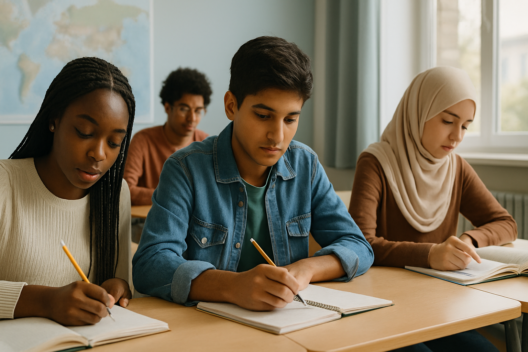
Human behavior is an intricate tapestry woven with threads from various cultures. As a writer and researcher specializing in human geography, I, Daniel Reed, have spent years studying how different countries and styles across cultures shape our perspectives, interactions, and lives. This article delves into these themes, offering insights and examples from a range of cultures to illustrate the profound impact of this diversity.
- The Global Influence of Culture
- Living Styles Across Continents
- How Food Shapes Social Conduct
- Religion and Social Values
- Cultural Case Studies: Real World Examples
- FAQ
- Conclusion
The Global Influence of Culture
Every culture offers a unique lens through which its people view and interact with the world. This global mosaic not only defines collective identities but also ripples into individual behaviors. Social norms, traditions, and even the subtleties of communication are deeply rooted in cultural frameworks.
Cultural norms can dictate how greetings are exchanged—what’s appropriate in one country may be seen as an offense in another. For instance, bowing is a sign of respect in Japan, while a handshake suffices in most Western contexts.
To explore cultural nuances further, it’s crucial to consider both the visible and invisible elements that make up this intricate system. Here, I draw upon firsthand accounts and observations to provide a deeper understanding.
Cultural Symbols and Meanings
Symbols play an essential role in cultural expression. Consider the color white, which symbolizes purity in many Western cultures but is traditionally associated with mourning in certain Eastern cultures. The diversity in symbolism highlights the profound variety in human perception shaped by cultural contexts.
Language and Expression
Language is more than a mere tool for communication; it’s a reflection of cultural identity. Dialects, accents, and even phrasing can significantly affect social interactions. The Sapir-Whorf hypothesis suggests that language influences thought, meaning that different linguistic systems can shape how people perceive reality.
Living Styles Across Continents
Living styles vary tremendously across the globe, shaped by geography, economy, and cultural history. These differences manifest in daily routines, social structures, and urban planning.
European cities often prioritize public transport and pedestrian-friendly environments compared to the sprawling car-centric design of many American cities. In Denmark, for instance, cycling is a prevalent mode of transport, encouraged by urban design and policy.
Housing and Architecture
The architectural styles across regions reflect both historical influences and cultural values. Traditional Japanese homes, with their minimalist design and tatami flooring, contrast starkly with the grandiosity often found in Middle Eastern palatial homes. The design choices made in architecture not only serve functional purposes but also perpetuate cultural narratives.
Work-Life Balance
The concept of work-life balance is interpreted differently worldwide. Scandinavian countries like Sweden advocate for a strong balance, seen in practices like ‘fika’—a coffee break that emphasizes time away from work. Meanwhile, in countries like South Korea, a culture of long working hours prevails, often at the expense of personal time.
How Food Shapes Social Conduct
Food is a universal connector yet varies significantly across societies. Culinary traditions influence social behaviors, dietary preferences, and even environmental policies.
The Mediterranean diet, rich in olives, fish, and fresh produce, is not just a health-conscious choice but also reflects a cultural tendency towards communal dining and slower-paced meals. This contrasts with the fast food culture prevalent in countries like the USA, which aligns with more fast-paced lifestyles.
Rituals and Festivals
Food plays a pivotal role in many rituals and festivals around the world. For example, the Chinese New Year reunites families over dishes symbolizing prosperity. The ways that these culinary traditions are prepared and celebrated reflect deep-rooted cultural narratives.
Religion and Social Values
Religion profoundly shapes societal values and norms, providing a guideline for ethical behavior and social customs around the globe.
Countries with strong religious foundations, such as India, where Hinduism heavily influences daily life, demonstrate how religion can guide practices and social interactions. Contrast this with the more secular approach seen in Nordic countries.
For comprehensive understanding, utilizing resources like studies from Harvard Divinity School offers authoritative insights into how religion shapes personal and collective values.
Cultural Case Studies: Real World Examples
In exploring cultural impacts, real-world examples illuminate the abstract theories. Consider Japan’s combination of traditional practices with cutting-edge technology, resulting in unique business cultures balancing innovation with courtesy rooted in ancient traditions.
Alternatively, look at Brazil’s vibrant social gatherings, where the essence of community life is exemplified in grand festivals like Carnival, bringing together people across social strata in a shared celebratory spirit.
| Country | Cultural Highlights |
|---|---|
| Japan | Blending tradition with technology in business. |
| Brazil | Community-focused festivals such as Carnival. |
| Sweden | Work-life balance and eco-friendly practices. |
FAQ
How does culture affect communication styles?
Culture significantly influences communication, dictating both verbal and non-verbal exchanges. For instance, Asian cultures might value indirect communication, preferring to avoid direct conflict, whereas Western cultures often appreciate straightforwardness.
Can cultural awareness improve international business relations?
Absolutely. Understanding cultural nuances can enhance negotiations, prevent misunderstandings, and foster stronger partnerships. Acknowledging cultural differences in business settings leads to more respectful and productive engagements.
What role does cultural diversity play in education?
Cultural diversity in education fosters an inclusive environment that encourages empathy and broader perspectives among students. It prepares individuals for a globalized world by teaching respect and understanding of different cultural backgrounds.
How do traditions shape everyday life?
Traditions offer a framework for daily routines and celebrations, grounding individuals in their cultural identity. They influence meal preparation, social gatherings, and even work ethics, contributing to a sense of belonging and continuity.
Conclusion
Understanding the cultural nuances that shape human behavior is not only enlightening but essential in today’s interconnected world. Embracing these differences enriches our interactions and broadens our perspectives. I hope this exploration into how different countries and cultural styles shape behavior provides a meaningful insight into the complex yet beautiful diversity of human life.