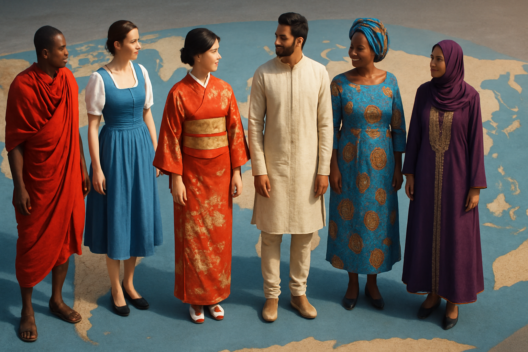



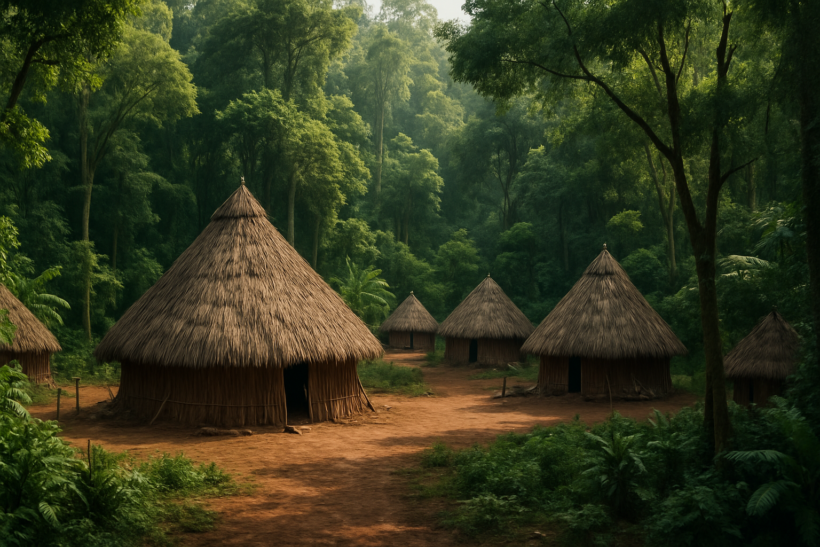
In an increasingly interconnected world, isolated communities offer a fascinating snapshot of human resilience and adaptability, showcasing unique cultural styles and human behavior. These enclaves, found across different countries, shape unique human experiences and offer invaluable insights into cultural diversity.
- Life on North Sentinel Island
- Tribes of the Amazon Rainforest
- Villages of Bhutan
- Ethnic Groups in Papua New Guinea
- Survival in the Sahara Desert
- FAQs
Life on North Sentinel Island
Located in the Bay of Bengal, North Sentinel Island is home to the Sentinelese people, one of the world’s last uncontacted tribes. This community has fiercely rejected all contact with outsiders, preserving their way of life for thousands of years. They thrive on hunting and gathering, using natural resources around them.
The Sentinelese have demonstrated profound skills in navigation and crafting tools from materials found in their environment. Their self-sufficiency and isolationist practices raise intriguing questions about how isolation can preserve traditional ways and strongly shape cultural identity.
Tribes of the Amazon Rainforest
The Amazon Rainforest is a vast tapestry of isolated communities, each with unique languages, practices, and relationships with the natural world. Tribes such as the Yanomami and the Kayapo navigate their lives with deep ecological knowledge, utilizing indigenous methods that have been passed down for generations.
These tribes face threats from deforestation and illegal mining, highlighting the delicate balance between traditional lifestyles and modern pressures. Their stories are rich in lessons about sustainability and deep environmental interdependence.
The cultural styles across the Amazonian tribes influence human behavior significantly, often emphasizing communal living and respect for the land—principles increasingly relevant globally.
Connection to Nature
Amazonian tribes’ survival skills and spiritual practices illustrate a profound connection to nature. Understanding these elements can inspire sustainable practices worldwide.
Villages of Bhutan
Hidden between the giants of India and China, Bhutanese villages maintain a unique cultural style driven by the philosophy of Gross National Happiness. Isolation has allowed Bhutan to preserve its natural paradise and cultural heritage.
Bhutan’s commitment to tradition while cautiously engaging with modernity presents a model for how isolated communities can influence national policy and identity. The country’s cultural styles highlight human behavior patterns that prioritize community welfare over individual success.
Adapting Modernization
Bhutan shows that selective interaction with the outside world can foster unique cultural growth without losing identity. This blend of tradition and modernity could guide other nations facing globalization pressures.
Ethnic Groups in Papua New Guinea
With over 800 languages spoken, Papua New Guinea’s ethnic groups display an extraordinary mosaic of cultures. The country’s geography has perpetuated isolation, leading to incredible diversity and cultural expression.
From the Huli Wigmen with their elaborate hairpieces to the Asaro Mudmen who use clay masks as part of their traditions, Papua New Guinea provides a vivid example of how isolation fosters unique cultural identities. These traditions shape human behavior in ways that balance community life, spiritual beliefs, and social organization.
Cultural Evolution
The diverse ethnic landscapes in Papua New Guinea remind us how cultural evolution can occur within enclosed spaces. These communities adapt while maintaining distinct identities.
Survival in the Sahara Desert
The Tuareg and Berber tribes of the Sahara Desert are masters of survival in one of the harshest climates on Earth. These nomadic communities possess deep environmental knowledge and a rich cultural heritage rooted in storytelling and music.
Their ability to navigate and thrive in a challenging environment showcases human adaptability and the role of culture in survival strategies. Understanding their techniques offers insights into resilience and ingenuity, vital in the face of climate change.
Ingenious Adaptations
Ingenious strategies such as water conservation techniques and architectural innovations offer lessons for modern adaptation to extreme climates.
FAQs
Why are some communities still isolated in the modern world?
Isolation can be due to geographic barriers, cultural choices, or political protection. These factors help preserve unique traditions and lifestyles.
How do isolated communities contribute to our understanding of human behavior?
They offer a living history of human adaptation, showcasing various ways societies can organize and interact with their environment.
What challenges do isolated communities face today?
Modern pressures such as climate change, economic development, and cultural assimilation threaten their traditional ways of life.
Can lessons from isolated communities be applied to broader society?
Yes, aspects like sustainable living, community focus, and environmental respect offer valuable insights for global issues.
Through examining these unique lifestyles, we gain not only appreciation for cultural diversity but also actionable insights that can inspire progress and harmony in global societies. The relationship between isolation and cultural richness underscores the profound ways in which different communities approach life, shaping individual and collective behaviors across myriad settings.