


Exploring Styles Across Cultures: How Different Countries Shape Human Behavior
The world is a mosaic of vibrant cultures, each with unique styles influencing human behavior. Understanding these cultural nuances is crucial in today’s interconnected world. This article delves into how different countries’ styles shape human behavior, offering insights into cultural diversity.
- The Relationship Between Styles and Culture
- Regional Influences on Style
- How Styles Impact Human Behavior
- Effects of Globalization on Cultural Styles
- Cultural Exchange and Its Role
- FAQ: Common Questions About Styles and Cultures
The Relationship Between Styles and Culture
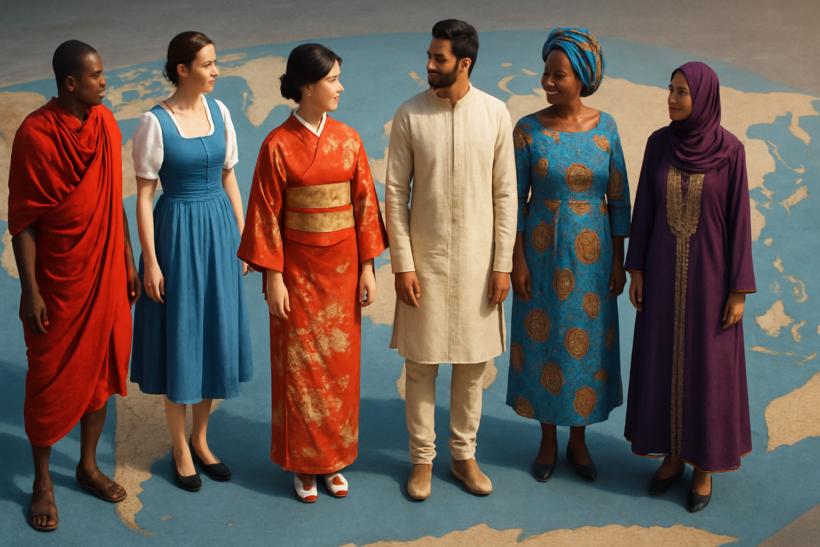
Styles are a reflection of culture. They embody values, beliefs, and history, acting as a visual language that communicates cultural identity. For instance, traditional Japanese clothing, such as the kimono, tells a story of elegance and precision, deeply rooted in Japan’s cultural heritage.
Styles vary across cultures due to differences in environmental factors, historical events, and social norms. For example, in Scandinavian countries, styles are heavily influenced by the natural landscape, favoring minimalism and functionality, whereas African attire is often vibrant and symbolic, reflecting diverse traditions.
Example: Scandinavian Minimalism
In Scandinavian countries, such as Sweden and Denmark, the style is often characterized by minimalistic designs, known for their simplicity and functionality. This approach is a response to long, dark winters, aiming to create brighter, airy spaces that boost mood and productivity.
Regional Influences on Style
Cultural styles are also shaped by regional influences. Climate, geography, and politics can all play pivotal roles. The attire seen in tropical countries contrasts significantly with that in colder regions, both in material choice and color.
In India, vibrant colors are prevalent across many styles, symbolizing life and energy, which contrasts starkly with the often muted tones seen in European fashion. The use of luxurious fabrics like silk is common in areas where the climate allows for comfort without compromising style.
Historical Influence on Fashion
In countries like Italy, historical events have profoundly influenced fashion. The Renaissance period left a lasting legacy, evident in the intricate designs and quality tailoring that characterize Italian clothing to this day.
How Styles Impact Human Behavior
Styles across different cultures shape human behavior in several ways. Dress codes can dictate behavior in both personal and professional settings. For example, traditional business attire may promote professionalism and respect in the workplace.
Additionally, the psychological impact of style cannot be underestimated. Wearing certain types of clothing can influence our self-perception and confidence levels. This phenomenon, known as ‘enclothed cognition’, highlights the power of attire on human behavior.
Example: Enclothed Cognition
Research suggests that what we wear can impact our psychological states. A study from Northwestern University illustrated that participants who wore lab coats showed improved concentration and accuracy when performing tasks, underscoring the psychological connection between attire and cognitive function.
Effects of Globalization on Cultural Styles
Globalization has blurred cultural lines, introducing hybrid styles that merge traditional elements with contemporary influences. This cultural cross-pollination enriches societies but also raises concerns about cultural homogenization.
Travel and technology have accelerated the exchange of cultural styles, allowing for more diverse fashion trends and designs. However, the global fashion market can sometimes overshadow local traditions, leading to a loss of cultural identity.
Case Study: The Global Fashion Industry
The global fashion industry illustrates how trends from one region can dominate worldwide, exemplified by the widespread popularity of American streetwear. As these styles permeate global markets, they often adapt to local cultures, creating a unique fusion.
Cultural Exchange and Its Role
Cultural exchange enriches global society, fostering understanding and appreciation of diverse styles. Events like international fashion weeks promote dialogue and showcase how cultural influences manifest in style.
One of the positive aspects of this exchange is the increasing appreciation for sustainable and ethical fashion, which is seeing a collaborative global effort to preserve cultural integrity while innovating eco-friendly materials.
Example: Sustainable Fashion Initiatives
Brands incorporating traditional techniques into modern designs promote sustainability and cultural heritage. For example, using traditional woven fabrics in new ways supports local artisans and sustains cultural craftsmanship.
FAQ: Common Questions About Styles and Cultures
What are some influences on cultural styles?
Cultural styles are influenced by factors such as historical events, climate, social norms, and regional geography. These elements shape how people dress and express themselves through fashion.
How does globalization affect cultural styles?
Globalization introduces new styles to different cultures, enabling a fusion of traditional and modern elements. While this can enrich fashion, it risks overshadowing local traditions and cultural identities if not balanced.
Why is understanding cultural styles important?
Understanding cultural styles facilitates better communication and empathy in a globalized world. It enables individuals and businesses to collaborate effectively across cultural boundaries, respecting diversity.
What is ‘enclothed cognition’?
‘Enclothed cognition’ refers to the influence of clothing on cognitive processes and psychological states. Wearing clothing associated with particular roles or traits can affect attitude and behavior, impacting how individuals perceive themselves.
How does culture influence behavior?
Culture shapes behavior through established norms, traditions, and values, which influence how individuals interact within their society. These cultural markers guide acceptable behaviors and influence personal and professional interactions.
Final Thoughts on Cultural Styles
Understanding how styles across different cultures shape human behavior provides valuable insights into the nuances that define our global society. By appreciating these differences, we can foster a more inclusive world, celebrating the rich tapestry of human creativity and expression.
For more insights on cultural diversity, explore our other articles on Zynomo.com, such as cultural communication and global fashion trends.