


In our interconnected world, understanding how various styles across cultures shape human behavior can deepen our appreciation for diversity and improve cross-cultural interactions. This article delves into the nuances of cultural styles, examining how they influence societal norms and individual conduct. Perfect for culture enthusiasts, travelers, and global citizens, this exploration offers insights and practical tips.
- Cultural Influences on Behavior
- Impact of Fashion and Design
- Communication Styles Worldwide
- Culinary Traditions and Lifestyles
- Traditions, Creativity, and Innovation
- FAQs
Cultural Influences on Behavior
Culture profoundly impacts human behavior, forming the underlying framework through which people interpret the world. Anthropological studies, like those by Dr. Jane Goodall, reveal that cultural variations define social norms and values, which in turn shape individual behaviors.
Western vs. Eastern Perspectives
Western cultures often emphasize individualism, valuing personal achievements and independence. In contrast, Eastern cultures typically prioritize collectivism, emphasizing family and community cohesion. For instance, Japan’s emphasis on ‘wa’ (harmony) influences behaviors focused on group harmony and conformity.
Impact on Social Interactions
Social interactions vary significantly across cultures. In Latin America, for example, physical touch and expressiveness in communication are prevalent, whereas Northern European countries might favor more reserved and personal space-respecting interactions.
Impact of Fashion and Design
Fashion and design are powerful cultural expressions that shape societal behaviors and reflect collective identities. The synergy between attire, aesthetics, and cultural narratives is evident globally.
Traditional Attire Influences
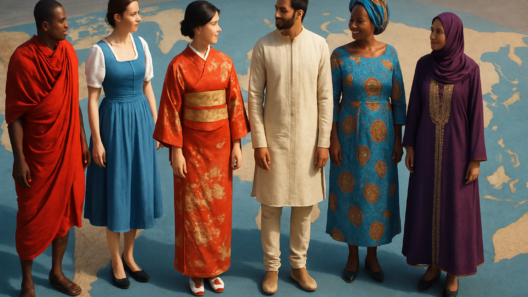
Traditional clothing like India’s sarees or Scotland’s kilts carry significant cultural meanings and foster a sense of community and identity. Wearing traditional attire can evoke pride and reinforce cultural values in communal gatherings.
Modern Design Trends
Modern global trends often reflect cultural cross-pollination. For instance, the minimalist design ethos popular in Scandinavian countries has integrated into various design landscapes worldwide, promoting simplicity and functionality.
Communication Styles Worldwide
Communication is a core facet of cultural interaction, deeply intertwined with behavioral norms. Linguistic styles and body language vary tremendously across different cultures.
Verbal vs. Nonverbal Communication
In high-context cultures like China or Korea, nonverbal cues are crucial as people rely heavily on context, stature, and body language to convey meaning. Conversely, in low-context cultures like Germany, clear and direct verbal communication is prioritized for effective interaction.
Storytelling Traditions
Storytelling as a communication tool shapes cultural understanding and transmits historical values. Indigenous communities often use storytelling to preserve heritage, impart lessons, and maintain social bonds.
Culinary Traditions and Lifestyles
Culinary traditions often define a community’s lifestyle and influence daily behaviors, rich with historical, regional, and social elements. The juxtaposition of global flavors highlights cultural uniqueness and similarities.
Dietary Habits Across Regions
Mediterranean diets, rich in olive oil and vegetables, embody health and longevity principles, influencing lifestyle choices around wellness and nutrition. In contrast, North American fast-food culture reflects a pace-driven lifestyle, focusing on convenience.
Culture-Spanning Cuisines
Fusion cuisines illustrate globalization’s impact on culinary practices, where Japanese sushi meets modern innovation with Western ingredients or Thai spices find their way into traditional Italian dishes, combining rich histories with contemporary tastes.
Traditions, Creativity, and Innovation
Cultural traditions inspire creativity and foster innovation by merging historic practices with contemporary needs, influencing behaviors on personal and communal levels.
Traditional Crafts & Modern Applications
Handicrafts such as African beadwork or Native American pottery have found modern applications in fashion and home décor, preserving tradition while embracing innovation. This fusion fosters not only economic opportunities but also cultural transmission.
Innovation in Traditional Events
Community events like Brazil’s Carnival or India’s Diwali showcase creativity by blending traditional celebrations with modern production methods, captivating global audiences while maintaining cultural authenticity.
FAQs
What role do cultural influences play in shaping behavior?
Cultural influences shape the values, norms, and social expectations that guide behavior. From language and traditions to fashion and communication styles, these cultural markers play a significant role in how individuals interact and perceive the world around them, fostering a unique identity within each society.
How can fashion impact cultural behavior?
Fashion serves as a mirror of cultural values and societal norms. Traditional attire can highlight cultural pride and community identity, while modern fashion trends often reflect global influences and cross-cultural exchanges. Through clothing choices, people express individualism, status, and affiliation with cultural ideals.
Why is understanding communication styles important?
Understanding communication styles is crucial for effective cross-cultural interactions. Each culture has distinct communication preferences, whether high-context reliance on nonverbal cues or low-context emphasis on explicit verbal exchanges. Grasping these nuances can improve personal and professional relations by avoiding misunderstandings.
What’s the significance of culinary traditions?
Culinary traditions go beyond mere sustenance; they reflect historical narratives, social values, and regional characteristics. They influence dietary habits and lifestyles, contributing to cultural identity. Through food, cultures share stories and connect people across borders, enhancing global understanding.
Conclusion
Cultural styles shape human behavior in myriad ways, influencing how communities speak, dress, eat, and celebrate. Embracing these differences enriches our global perspective, fostering greater understanding and integration. For anyone engaging with diverse cultures, appreciating these nuances is a valuable skill, opening doors to more meaningful interactions and deeper relationships.