



Introduction
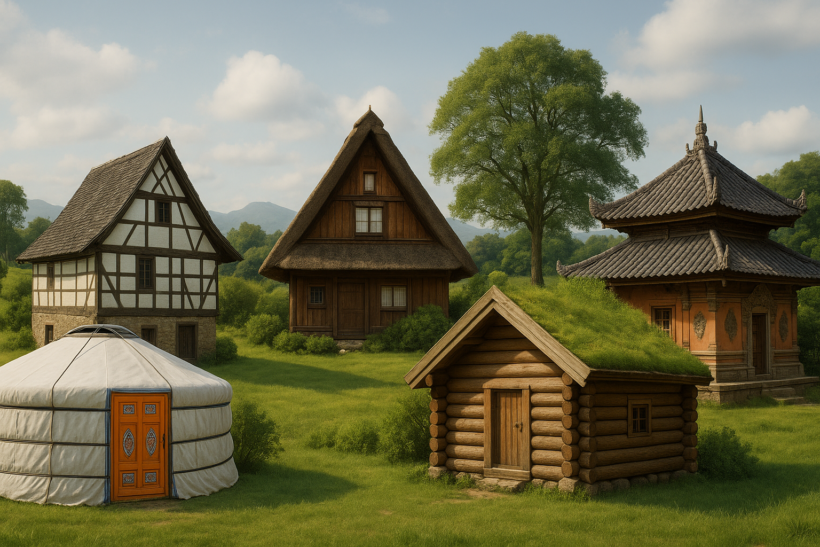
Architecture is more than just a means to provide shelter; it reflects the cultural, historical, and environmental elements of a society. Unique housing styles around the world are fascinating windows into the lives and priorities of different cultures. In this article, we explore how various architectural styles in different countries not only provide insight into cultural values but also influence the way people live, interact, and perceive their environment.
- Cultural Influence on Architecture
- Environmental Impact on Housing Styles
- Historical Perspectives in Architecture
- Modern Adaptations of Traditional Designs
- Conclusion
Cultural Influence on Architecture
Culture heavily influences the architectural styles found in different regions. Traditional Japanese homes, for example, highlight simplicity and nature, featuring sliding screens and tatami mats. These elements reflect the Japanese philosophy of a harmonious relationship with the environment.
Japanese Minimalism and Its Effects
The minimalist approach of Japanese housing not only reflects an aesthetic choice but also shapes behavior by encouraging simplicity and mindfulness. The open interiors promote multifunctional spaces, which is a practical response to Japan’s space constraints.
Explore more on Japanese architecture influences on modern design.
Indigenous Designs in Africa
African vernacular architecture, such as the Zulu huts in South Africa, uses local materials and traditional building methods. These homes are not just about practicality; they symbolize social connections and community.
Such designs promote community-centric living and often involve communal decision-making in their construction and maintenance, deeply influencing social behaviors.
Environmental Impact on Housing Styles
Geography and climate play crucial roles in shaping the housing styles across various cultures. For example, Scandinavian countries, with their cold climates, developed homes with steep roofs and large windows to maximize insulation and natural light.
Adapting to Climate in Scandinavia
The architecture in Scandinavian countries emphasizes energy efficiency and comfort. Buildings often utilize sustainable materials and technologies to cope with the harsh weather. This necessity has led to a culture that prioritizes environmental sustainability.
Tropical Influences in Southeast Asia
In contrast, Southeast Asian architecture, like the traditional Filipino bahay kubo, features high-pitched roofs and airy layouts to allow air circulation in tropical climates. These aspects show how cultural practices adapt to maximize comfort and functionality in their environment.
Historical Perspectives in Architecture
History leaves a lasting imprint on architecture. Ottoman-era constructions in Turkey, with intricate tile work and courtyards, exemplify historical influences. These styles not only define historical aesthetics but also dictate contemporary uses of space.
Ottoman Influence in Modern Turkey
Many modern Turkish homes still incorporate elements from the Ottoman era, such as spacious layouts and decorative elements, which continue to shape social interactions within these homes.
Gothic Architecture in Europe
European Gothic architecture, originally intended for cathedrals, has influenced the design of modern institutional buildings with high ceilings and detailed stone work. Such designs impact the layout and perceived value of communal spaces in contemporary European settings.
Read more about historical influences in modern architecture.
Modern Adaptations of Traditional Designs
As globalization encourages cultural exchanges, traditional designs are being adapted to meet contemporary needs. The fusion of modern technology with traditional styles creates unique urban landscapes.
Blending the Old with the New
In urban India, architects are integrating traditional elements like courtyards and jalis (perforated stone screens) into modern high-rise apartments, keeping the cultural essence while addressing urban living challenges.
Innovations in Sustainable Architecture
Global awareness of environmental issues has led to the revival of indigenous building techniques. For instance, the use of adobe and rammed earth in modern eco-friendly housing designs across the Americas reflects a blend of sustainability and cultural heritage.
Discover more about sustainable architecture trends.
Conclusion
Unique housing styles across cultures provide invaluable insights into the history, environment, and social fabric of societies. As we continue to adapt and innovate, the interplay between tradition and modernity in architecture will shape human behavior and cultural evolution. Whether emphasizing sustainability, preserving heritage, or fostering community, the homes we build are a testament to our values and aspirations.
How do housing styles affect community behavior?
Housing styles reflect and shape social dynamics through their design and layout. For instance, designs that encourage communal areas promote social interactions, while minimalist styles might encourage individualized or introspective living. Thus, architecture can profoundly affect how communities form and interact.
What role does climate play in determining housing styles?
Climate significantly influences architectural design by dictating the materials and construction techniques used. In colder regions, homes are designed to conserve heat, while homes in warmer climates prioritize ventilation and cooling. Understanding these influences can lead to more effective and sustainable living solutions.
Can traditional housing styles be sustainable?
Yes, many traditional housing designs were inherently sustainable as they used local materials and adapted to natural elements. Reviving these designs with modern technology can enhance sustainability and contribute to eco-friendly living solutions. This practice can also preserve cultural heritage while addressing contemporary challenges.
Why is it important to preserve traditional architectural designs?
Preserving traditional architectural designs maintains cultural heritage and identity and offers pragmatic insights into sustainable living practices. These designs showcase historical responses to community needs and environmental contexts. By understanding these, we can inspire future architectural innovations.
What is the importance of modern adaptations in traditional designs?
Modern adaptations of traditional designs play a crucial role in maintaining cultural relevance and meeting contemporary needs. These adaptations allow for resource efficiency and resilience against current environmental and societal challenges while preserving cultural identity. By blending the old with the new, societies can innovate while respecting their roots.