


Exploring How Different Countries’ Styles Shape Human Behavior Across Cultures
Have you ever wondered why styles differ so vividly across cultures and how these variances shape our behaviors? This article delves deep into how different countries’ distinctive styles—including fashion, communication, and lifestyle—affect human behavior around the world.
- Fashion as a Cultural Identity
- Communication Styles and Their Impact
- Lifestyle Choices: Reflections of Cultural Norms
- Case Studies: Japan vs. Italy
- Future Trends in Cultural Styles
- Frequently Asked Questions
Fashion as a Cultural Identity
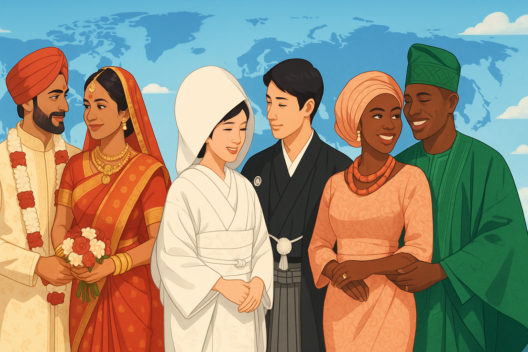
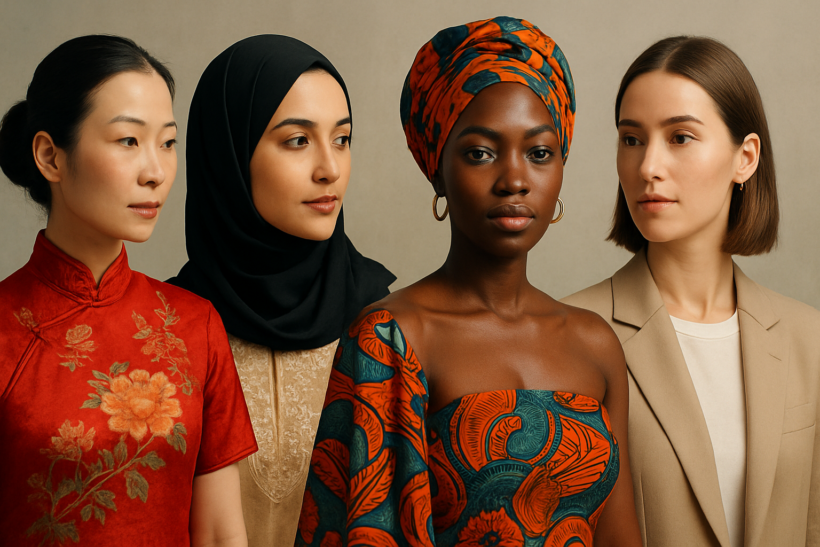
In many countries, fashion is not merely aesthetic—it’s a profound expression of cultural identity. Examining traditional garments from around the world, we understand how attire speaks volumes about heritage and social norms.
Traditional vs. Modern Styles
For example, the sari in India is a quintessential representation of tradition, symbolizing grace and heritage. Meanwhile, Western countries often embrace modern, ready-to-wear fashion lines reflecting individual expression.
The Influence of Fashion Trends
Globalization has introduced cross-cultural influences in fashion. Latin America’s vibrant prints are now chic elements in global fashion lines, demonstrating how style transcends borders to impact lifestyles globally.
Consider the ripple effect of K-fashion from Korea, which has exploded in popularity, influencing not only consumer choices but social attitudes towards beauty and fashion industries worldwide.Read more on fashion influence here.
Communication Styles and Their Impact
Communication is central to cultural interaction. Different countries exhibit distinct communication styles that influence how individuals interact, negotiate, and resolve conflicts.
High-Context vs. Low-Context Cultures
As theorized by Edward T. Hall, high-context cultures (like Japan) rely heavily on non-verbal cues and implied meanings, whereas low-context cultures (like Germany) prefer explicit, direct communication.
These differences shape workplace interactions significantly. For instance, international business requires astute awareness of these styles to ensure effective communication across career settings.
Language Nuances
A fascinating study published in 2025 by the International Journal of Linguistics found that language nuances can affect decision-making and negotiation techniques. What one culture considers polite, another might find inefficient, impacting international relations and collaboration.
Lifestyle Choices: Reflections of Cultural Norms
Lifestyle choices—ranging from diet and leisure activities to housing designs—reveal societal values and priorities that influence behavioral patterns.
Dietary Habits
The Mediterranean diet’s focus on fresh produce and olive oil reflects a cultural emphasis on health and leisurely meals, as opposed to the fast-paced, convenience-oriented diet often seen in Western countries.
Leisure Activities
Many European countries prioritize vacations and “rest time,” impacting work-life balance significantly. This contrasts with cultures exhibiting stronger work-centric lifestyles, such as in America, where productivity is highly valued.
| Country | Lifestyle Influence |
|---|---|
| France | Café culture, emphasis on leisure |
| USA | Fast-paced, productivity-driven |
| Japan | Group-oriented, respect for age and tradition |
Case Studies: Japan vs. Italy
To understand cultural influences more deeply, let’s compare Japan and Italy, exploring how culture-specific styles dictate behavior.
Japan: A Society of Subtlety and Tradition
Japan’s meticulous attention to detail in fashion and meticulous art reflects a wider cultural norm of precision and tradition. The cultural practice of Omotenashi (hospitality) shapes interactions, emphasizing empathy and understated excellence.
Italy: Passionate and Expressive Culture
In contrast, Italy’s vibrant communication style and passionate expression in fashion and lifestyle are indicative of a culture that values connection and artistry. This has profound implications on social norms, business etiquette, and global influence in arts.Learn more about cultural impact
Future Trends in Cultural Styles
In the age of digitalization, cultural exchanges happen in a click. Areas like fashion tech and virtual reality are pioneering new forms of cultural expression that transcend traditional modalities.
Emerging Global Styles
The future of cultural styles lies in hybridization—where cross-cultural inspirations create revolutionary trends. Imagine a future where African textiles influence tech-wear precision, resulting in styles that are functionally and aesthetically versatile.
For cultural enthusiasts, keeping up with these trends offers a unique way to stay globally engaged, understanding how such fusions shape new global behavioral trends.
Frequently Asked Questions
How do cultural styles influence behavior?
Cultural styles impact behavior by dictating societal norms and personal identities. This helps individuals understand their roles within societies and makes intercultural interactions challenging but enriching.
Are fashion trends a reflection of societal change?
Absolutely. Fashion trends often symbolize broader societal shifts. As societies evolve, trends reflect changing values and technologies, offering insight into collective and individual transformations.
Why is understanding communication styles important?
Recognizing diverse communication styles is essential for effective intercultural interaction, particularly in global business. It helps prevent misunderstandings and fosters cooperative relationships.
What role does globalization play in cultural styles?
Globalization facilitates cultural exchanges, bringing diverse styles to the fore. It allows for a blend of traditions with modernity, fostering a cosmopolitan culture while at times challenging traditional norms.
Can lifestyle choices predict cultural values?
Yes, lifestyle choices often reflect cultural priorities. Through observing these choices, one can infer values such as health, leisure, or productivity, offering a window into a society’s collective psyche.
Concluding Thoughts on Cultural Influence
The study of cultural styles reveals much about human behavior globally. As cultures continue to intermingle and evolve, understanding these influences becomes more important than ever for developing enriched global interactions and personal growth.Explore more about cultural insights here.
Author Note: Having traveled extensively and studied cultural anthropology, I have observed first-hand the profound impact cultural styles have on shaping behaviors. My goal is to share these insights to foster greater global understanding.