


Exploring the World’s Most Isolated Communities: A Journey Across Cultures
Have you ever wondered how living in isolation shapes human behavior and cultural styles? In a world where global connectivity is at its peak, some communities remain untouched by the frenzy of modernization. These groups offer incredible insights into the resilience and diversity of human societies.
- Introduction
- North Sentinel Island: The Northern Barrier
- The Himalayas’ Hidden Villages
- Amazonian Tribes: An Anthology of Nature
- The Antarctic Enigma
- Frequently Asked Questions
- Key Takeaways
Introduction
In today’s article, we explore some of the world’s most isolated communities. Our journey will take us across different countries, delving into unique cultural styles and examining how isolation shapes human behavior. These insights not only intrigue the curious minds but also invite us to ponder how interconnectedness influences our lives.
North Sentinel Island: The Northern Barrier
The Sentinelese People and Their Way of Life
Located in the Indian Ocean, North Sentinel Island is home to the Sentinelese, a tribe known for its isolation and resistance to outside contact. With no habitable developments or known technological advancements, the community thrives on hunting, fishing, and gathering. Imagine a world with no internet distractions — the Sentinelese lifestyle provides a lens into how traditional societies function.
Lessons from Isolation
While documenting the lives of the Sentinelese is challenging, researchers suggest their reluctance to connect with outsiders maintains cultural purity. This can be viewed on official studies, highlighting how isolation preserves unique traditions, helping shape distinct cultural styles.
The Himalayas’ Hidden Villages
The Living Conditions in the Himalayas
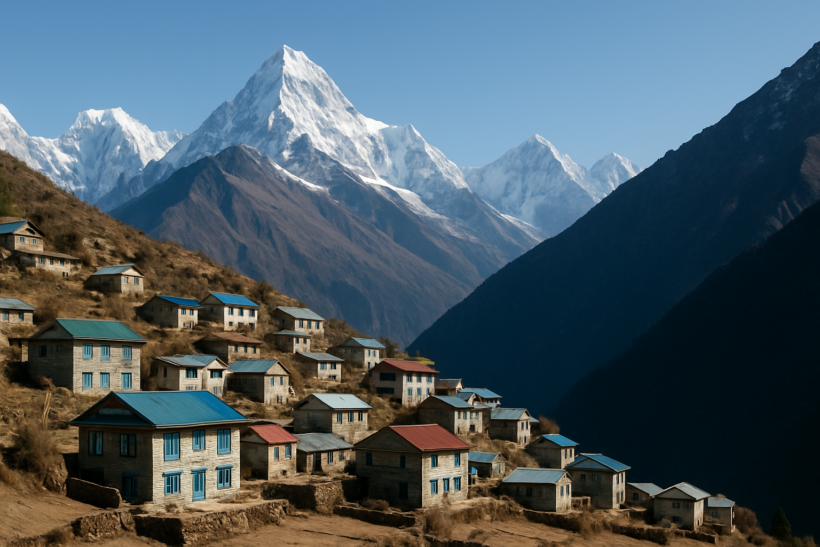
High in the Himalayas, you’ll find villages like Turtuk and Dhankar. These communities live amid breathtaking landscapes, with limited access to modern healthcare and education. The rugged terrain and extremes in weather test human resilience, offering invaluable life lessons.
Cultural Practices and Adaptation
The Himalayan lifestyle intertwines with Buddhist traditions, where spirituality shapes cultural behavior, elevating it to a healing balm against the harshness of nature. A study conducted in 2025 by Himalayan cultural experts elucidates how religious practices fortify community bonds and aid in coping strategies.
Amazonian Tribes: An Anthology of Nature
Sustaining Through Tradition
The Amazon rainforest shelters tribes like the Yanomami and Kayapo, whose lives are intricately linked with nature. Their isolation, tucked away within dense forests, encourages sustainable living practices that greatly contribute to biodiversity conservation.
Impacts on Global South Relationships
This 2026 analysis by University of Sao Paulo provides insights into how these tribes have developed ecological knowledge unparalleled elsewhere. Such sustainable practices address global environmental challenges.
The Antarctic Enigma
Life in the Cold
Antarctica is less about community living and more about scientific stations. Researchers inhabit this icy desert for months, isolated from typical human interactions. This contrasts starkly with other communities yet holds key insights into group dynamics under pressure.
Technology’s Role in Isolation
The role of technology in maintaining contact with the outside world is crucial. Studies show that digital connectivity helps counteract psychological stress faced by these researchers, showing a different facet of isolation both enriching and supporting life.
Frequently Asked Questions
What Makes a Community Isolated?
Isolation stems from geographical barriers, political reasons, or deliberate choices. Communities like the Sentinelese choose to stay disconnected, whereas others, like Himalayan villagers, are naturally secluded due to the terrain. Understanding these reasons offers insights into resilience and adaptation strategies.
How Does Isolation Influence Culture?
Isolation often preserves indigenous practices, leading to a strong cultural identity. For instance, the Bedouins’ nomadic lifestyle adapted over centuries, showcases how environment dictates cultural evolution. Check out more on how styles across cultures define identity.
Are There Benefits to Living Isolated?
Living in isolation can foster self-sufficiency and innovation. Many isolated communities develop unique technologies suited to their needs. Yakutsk’s frozen terrains have inspired innovative housing solutions adapted to extreme winters, exemplifying necessity-driven innovation.
How Can We Support Isolated Communities?
Support involves respecting unique cultures while ensuring access to essential services. Collaborative projects focusing on education, healthcare, and sustainable development, co-designed with communities, have shown promise. Discover more on ethical travel in different countries here.
Key Takeaways
Exploring isolated communities uncovers layers of human adaptability, resilience, and creativity. While these groups face challenges, they also offer lessons in sustainable living and cultural preservation. Understanding and respecting these communities is crucial as we move towards a more interconnected world.