
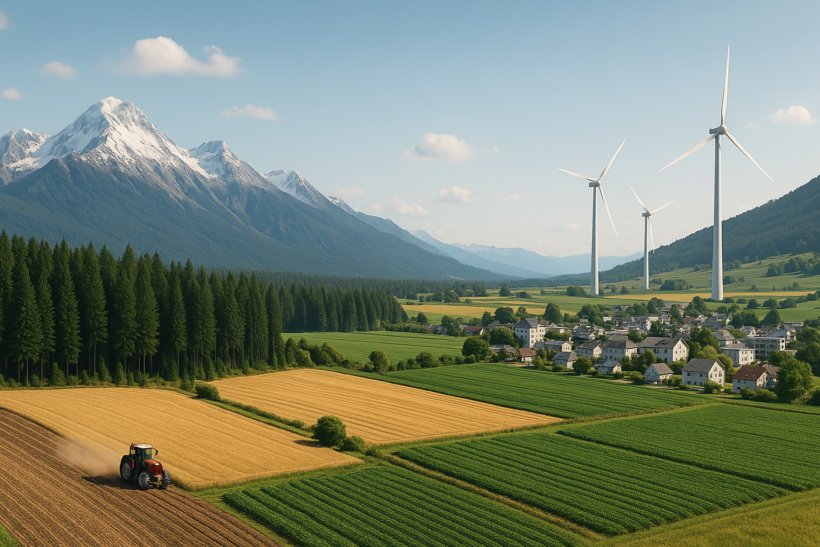
Understanding the intricate relationship between geography and human behavior offers profound insights into how diverse cultures form and evolve across different countries. In this comprehensive post, we’ll explore how geographical settings directly influence cultural traditions and social norms, providing concrete examples from various parts of the world.
- The Importance of Geography in Shaping Culture
- Case Studies of Geographical Impact
- Climate and Lifestyle Choices
- Resources and Technological Advancements
- Geography and Social Systems
- FAQs
- Conclusion
The Importance of Geography in Shaping Culture
Geography has played a pivotal role in shaping cultures since ancient times. The physical environment, including factors like climate, natural resources, and terrain, dictates the livelihoods, architectural styles, and even dietary habits of a region’s inhabitants. Let’s delve into how these elements weave into the cultural fabric across different countries.
Climate and Cultural Expressions
In regions where harsh winters prevail, such as Northern Europe, cultural practices often revolve around indoor activities, fostering close-knit family units and interior design focused on warmth and comfort. This contrasts with tropical regions, where outdoor communal activities thrive, influencing social behaviors and entertainment.
Geographical Isolation and Cultural Diversity
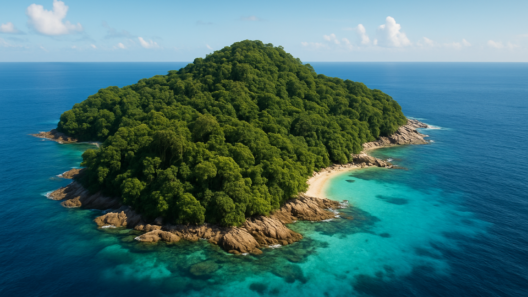
Islands or mountainous regions tend to have unique cultural traits due to isolation, leading to diverse dialects and traditions. Take Japan, where the sea and mountains have created distinct regional customs starkly different from mainland Asia.
Case Studies of Geographical Impact
To illustrate how geography influences cultural styles, we can examine specific examples from around the globe.
The Influence of Mountainous Terrain
The Himalayan region, encompassing parts of Nepal, Bhutan, and northern India, showcases how mountainous landscapes lead to self-sufficient communities with unique linguistic and cultural practices that differ substantially from those in the plains.
Coastal versus Inland Societies
Coastal areas, like those in Greece, often develop economies centered around fishing and trade, fostering extroverted cultures with an emphasis on openness, trade, and maritime expertise. In contrast, inland societies may prioritize agriculture.
Climate and Lifestyle Choices
The climate of a region significantly influences dietary habits, clothing choices, and daily activities. The Mediterranean diet, rich in olives, fish, and grains, is a direct result of the warm climate conducive to these crops. Conversely, the Arctic’s extreme cold dictates a high-calorie diet focused on meat and fats to sustain energy.
Read more about how climate affects lifestyles
Resources and Technological Advancements
Access to natural resources significantly impacts the technological advancements of a society. Countries abundant in natural resources often see accelerated technological growth and innovation. In contrast, resource-scarce regions may develop differently, prioritizing sustainability and minimalism.
Resource Abundance versus Scarcity
Oil-rich nations in the Middle East have developed advanced infrastructures underpinned by wealth from these resources, influencing their global cultural and economic status.
| Region | Primary Resource | Cultural Impact |
|---|---|---|
| Middle East | Oil | Economic prosperity, global influence |
| Japan | Minimal arable land | Innovation in technology, emphasis on efficiency |
Geography and Social Systems
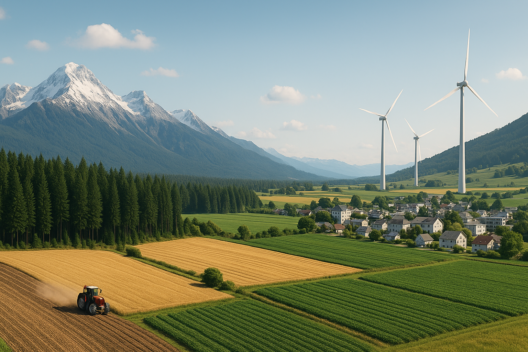
Geographical features also affect social systems, influencing roles and hierarchies in societies. In fertile river valleys, population density supports complex societies with strict social structures, as seen in ancient Egypt along the Nile.
Explore more on societal structures
- Hierarchical structures: Developed in areas where agriculture required collective effort and management.
- Nomadic cultures: Emerged in areas where mobility was essential for survival, such as the steppes of Central Asia.
FAQs
How does climate impact human behavior across cultures?
Climate influences daily life, dictating agricultural practices, clothing, architecture, and social structures. In warmer climates, cultures may develop festival-rich calendars and lighter clothing styles, while colder regions might focus on insulation and energy efficiency.
Why do isolated regions have unique cultures?
Isolated regions like islands have limited contact with outsiders, allowing unique traditions and languages to flourish independently. Over time, this leads to the development of distinct cultural identities not found in more interconnected areas.
Are there examples of technological advancement influenced by geography?
Yes, countries with abundant resources such as Norway (hydropower) have advanced in renewable energy technology. Meanwhile, Japan’s limited natural resource base has driven its focus on technological innovation and efficiency.
Read further about technological influences
How do economic activities align with geographical settings?
Regions with fertile lands often engage in agriculture, while those with coastlines focus on fishing and trade. Industrial activities thrive in areas with access to raw materials and transportation networks.
Conclusion
Geography’s influence on different countries, shapes human behavior, and defines cultural styles is evident throughout history. By understanding these relationships, we appreciate the rich tapestry of global cultures and anticipate how geographical changes might shape future societies. As we explore this topic further, consider the ongoing impact of climate change and globalization on time-honored customs.
Author Note: This article is penned by [Author Name], a passionate cultural anthropologist with over a decade of experience studying the intricate dance between geography and human behavior. Inspired by personal travels and academic research, [Author Name] brings a unique perspective on how our physical surroundings continue to shape our lives.