

When we think about homes, we often consider them as mere shelters. However, across different countries and cultures, housing styles serve as profound expressions of identity and tradition. From igloos of the Inuit in the Arctic to the beautifully stacked Rwandan homes, each style tells a story, significantly shaping human behavior and societal structure. This article aims to explore these diverse housing forms and their impact.
- The Arctic Igloos: Survival and Community
- Japanese Minka: Harmony With Nature
- Mediterranean Villas: Luxury and Leisure
- Native American Pueblos: Tradition and Functionality
- Conclusion
The Arctic Igloos: Survival and Community
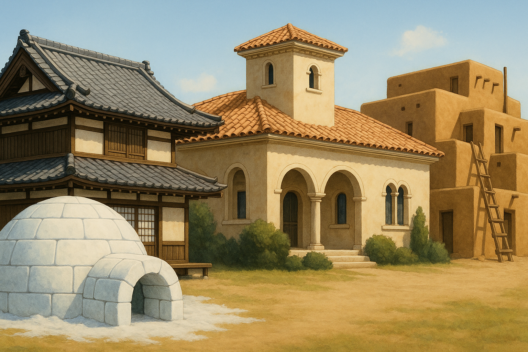
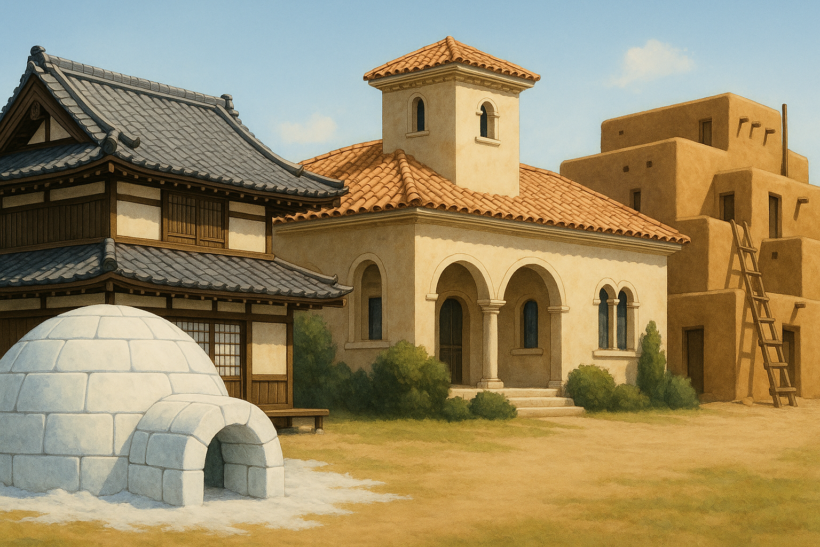
In the frigid environment of the Arctic, igloos are more than just homes—they are marvels of engineering. Built from blocks of ice, these domes efficiently trap heat, reflecting the vital relationship between architecture and survival.
Igloos create a communal atmosphere, crucial for societies where warmth is life. Occupants share space not only for heat but for the sharing of stories and traditions, reinforcing community bonds. This necessity has molded the Inuit as a people deeply connected to their environment and one another.
Japanese Minka: Harmony With Nature
Minka, traditional Japanese rural homes, epitomize a culture’s synchronicity with nature. Constructed from wood and bamboo, not only do they reflect an aesthetic appreciation for simplicity and natural beauty, but they also incorporate practical elements like deep eaves and thatched roofs to shield against harsh weather.
These homes often align with Shinto beliefs, emphasizing balance and integration with the natural world. Japanese designs influence how residents interact with their environment, fostering a sense of balance and mindfulness that permeates daily life.
In a study by the University of Tokyo, it was noted that these homes maximize air flow and natural light, subtly encouraging inhabitants to rise early and make the most of daylight hours (source).
Mediterranean Villas: Luxury and Leisure
The warm, inviting Mediterranean villas highlight a contrasting cultural priority: leisure and luxury. With spacious courtyards, open verandas, and arched windows, these homes are built to enjoy extended family gatherings, long dinners, and an outdoor lifestyle.
Not only do these designs facilitate a leisurely pace, but they also encourage a strong emphasis on community and relaxation, shaping a societal rhythm that prioritizes well-being over hustle.
Historical evidence, such as that found in the ruins of ancient Pompeii, reveals that social dining spaces have long been central to Mediterranean design, reinforcing the importance of community and shared experiences.
Native American Pueblos: Tradition and Functionality
Native American pueblos showcase the practical side of cultural architecture. Built from adobe, these structures are both sustainable and effective in the hot, arid climates of the American Southwest.
The multi-story design reflects a close-knit community spirit, with families living in connected spaces that support collective living and social harmony. Such living arrangements set a precedent for shared resources and communal decision-making, influencing modern communal living trends.
Recent studies by the New Mexico Cultural Institute indicate these pueblos have inspired contemporary eco-friendly construction methods, underscoring their enduring influence (source).
What are the key features of an Igloo and how do they influence community bonding?
Igloos are designed with interlocking ice blocks and a dome shape that efficiently traps heat. This warmth is essential for survival in Arctic climates, necessitating shared spaces that foster community bonding through storytelling and joint survival strategies.
How do Japanese Minka homes reflect their cultural values?
Japanese Minka homes use natural materials and open structures to embrace natural beauty and harmony with nature. Features like deep eaves and thatched roofs protect from harsh weather while promoting natural airflow and light, reflecting cultural values of balance and simplicity.
Why are Mediterranean villas designed for leisure?
Mediterranean villas, with their open courtyards and verandas, encourage outdoor living, dining, and social gatherings. This design supports a leisurely lifestyle, emphasizing community, personal well-being, and celebrating life’s pleasures through architecture.
What role do Native American pueblos play in modern architecture?
Native American pueblos, made from sustainable adobe, provide models for eco-friendly designs today. Their communal layout promotes resource sharing and has influenced modern sustainable building practices, reflecting efficiency and ecological harmony.
Interested in how modern homes adapt these traditional techniques? Check our recent article on sustainable architecture trends and see how they are influencing today’s designs.