


Timeless Cultural Practices That Have Survived for Centuries
In an ever-evolving world, certain cultural practices have remarkably stood the test of time, offering a glimpse into our collective history and identity. These family traditions and cultural festivals continue to bring communities together, reinforcing bonds that span generations. But why have these practices endured, and what insights do they offer us today?
- The Enduring Influence of Family Traditions
- Crowds, Colors, and Culture: The Beauty of Festivals
- Global Examples of Timeless Traditions
- Adapting Traditions to the Modern World
- Frequently Asked Questions
The Enduring Influence of Family Traditions
Family traditions form the bedrock of cultural identity, passed down through generations. They often embody shared values, history, and the collective memories of a family. Furthermore, these traditions foster a sense of belonging and continuity.
Why Traditions Matter
Traditions anchor us in times of uncertainty. They provide a framework for families to celebrate milestones, thereby strengthening emotional connections. For instance, consider the simple act of sharing a meal during Thanksgiving in the United States. While the food is shared, it is the conversations and family interactions that create lasting memories.
Case Study: The Chinese New Year
The Chinese New Year has been celebrated for over 4,000 years. More than a mere holiday, it is a time of renewal and harmony. It involves cleaning one’s house to sweep away bad luck, adorning homes with red decorations, and enjoying a reunion dinner. The celebration signifies family unity and the passing of wisdom.
Crowds, Colors, and Culture: The Beauty of Festivals
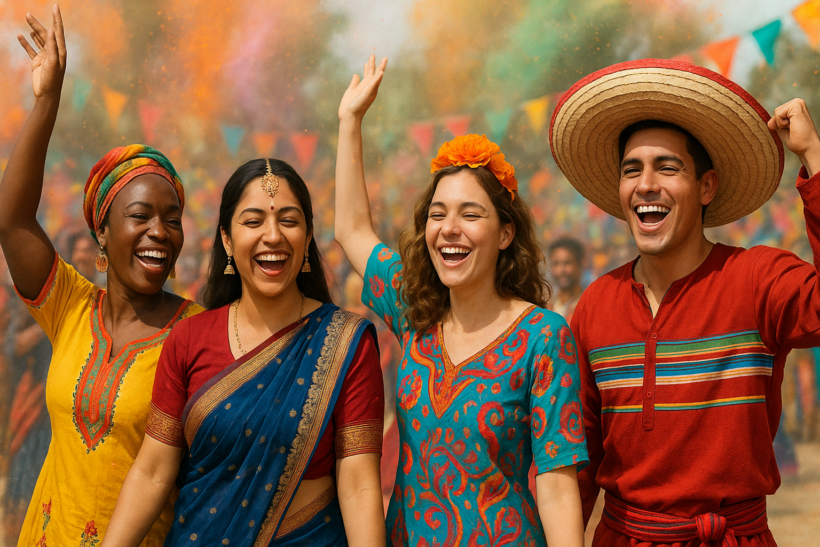
Cultural festivals are vibrant reminders of history and community spirit. They are communal forms of cultural expression, often reflecting the historical and seasonal significance unique to each region.
What Makes Festivals Timeless?
Festivals often endure because they serve to both celebrate and preserve cultural heritage. For example, the Rio Carnival in Brazil is a celebration of music and dance entwined with socio-political themes. It symbolizes freedom, creativity, and resilience.
Holistic Impact of Festivals
Festivals like Holi, the Indian festival of colors, highlight the importance of playfulness and joy. Based on a Hindu tradition, Holi transcends religion and is celebrated worldwide, promoting peace, love, and unity among participants from diverse backgrounds.
Global Examples of Timeless Traditions
Let us explore a few cultural practices that have not only survived but thrived over centuries:
- Dia de los Muertos (Mexico): This day celebrates the lives of ancestors who have passed away. Vibrant altars, marigolds, and sugar skulls embody the values of family and remembrance.
- Hinamatsuri (Japan): Known as Girls’ Day, this festival celebrates female children and femininity by displaying traditional dolls.
Learn more about cultural impacts on modern societies.
Adapting Traditions to the Modern World
In today’s digital age, traditions are evolving. With globalization, practices once confined to specific regions have gained a global audience. The internet enables the sharing and preservation of endangered practices, ensuring they remain relevant.
Challenges of Modernization
While modernization offers exposure, it also poses threats to authenticity. Ensuring traditions maintain their core values amidst change is crucial.
Example: The Revival of Traditional Crafts
Traditional crafts like Ikat weaving in Indonesia are being revitalized through new design techniques, ensuring relevance while preserving heritage.
Discover more about how crafts are shaping industries today.
Frequently Asked Questions
What is the importance of family traditions?
Family traditions offer more than just shared activities; they provide a sense of identity and continuity across generations. They encapsulate shared histories and values, becoming a pillar of family unity. Whether it is a festive gathering or a simple weekly ritual, these traditions help us reminisce, reflect, and relive moments that matter.
How do cultural festivals promote social cohesion?
Cultural festivals bring communities together in celebration, creating shared experiences that transcend individual differences. They embody collective joy, shared values, and common heritage, promoting unity and understanding. Participating in festivals allows community members to connect with their cultural roots, enhancing community bonds.
Why have some cultural practices survived while others have not?
The longevity of cultural practices often depends on their adaptability and relevance. Practices that resonate deeply with a society’s core values or solve communal purposes tend to endure. Conversely, those that do not adapt to societal changes often fade. Additionally, the intentional preservation by communities or cultural institutions plays a critical role in their survival.
Can modern technology preserve traditional practices?
Absolutely. Modern technology offers numerous platforms for preserving and disseminating traditional practices. Through digital archiving, social media, and online tutorials, cultural practices can reach a global audience, ensuring their place in the future. Technology also allows younger generations to engage with traditions in novel ways, fostering a renewed appreciation and understanding.
How can I engage with cultural traditions if I didn’t grow up with them?
Engaging with cultural traditions you didn’t grow up with can be enriching. Start by attending local festivals, visiting cultural museums, and participating in workshops. Educate yourself through books and documentaries, and converse with community members who embody those traditions. Genuine curiosity and respect pave the way for a meaningful understanding.
Author’s Note
As a cultural enthusiast and an advocate for preserving history, I have dedicated years to studying diverse traditions. My journey through various cultures has not only enriched my understanding but also deepened my respect for practices that transcend time, reinforcing bonds and identities in an ever-changing world.